
 Let's Talk






Key takeaways:
- AI is eliminating certain roles, but it is also creating pressure to redeploy budget toward higher-value functions
- Companies are not offshoring instead of AI. They are using both together as a combined cost and capability strategy
- The global offshore development market is projected to grow from $178 billion and continues to accelerate
- 34% of companies cite cost reduction as the primary driver of offshoring, with average savings of 16% on business process costs
- AI tools are amplifying the output of offshore professionals, creating what some are calling “super-workers” at a fraction of local hire costs
- The businesses moving fastest are not just cutting costs. They are repositioning for growth
- Human judgment, relationship management, and strategic thinking remain the functions AI cannot replace, and offshore teams cover exactly those gaps
Bottom line:
The AI pivot accelerated offshore expansion. Companies that understand this are using the moment to build leaner, smarter, globally distributed teams. The ones that do not are watching their margins compress while their competitors restructure.
The conversation around AI has been almost entirely about what it replaces. In 2025, 342 tracked tech company layoffs eliminated nearly 78,000 positions, roughly 491 people losing jobs every single day in that sector alone. Entry-level white-collar roles are being compressed. Hiring freezes are being justified by automation.
But here is what that narrative leaves out. When companies cut local headcount and free up budget, that budget does not disappear. It gets redeployed. And increasingly, it is being redeployed offshore.
The Equation Has Changed
For years, the case for offshoring was built almost entirely on cost. Access skilled talent for less. Extend your team without expanding your local payroll. Save on overheads. That argument still holds, and it is getting sharper. Private-sector compensation in the US kept climbing through 2024, compressing margins and making global talent markets more attractive. Companies report average cost savings of 16% from offshoring business processes compared to running them in-house.
But cost is no longer the whole story.
AI has introduced a new variable that changes the math entirely. By equipping offshore professionals with premium AI tools, businesses are creating what some are calling “super-workers” at a fraction of the cost of a standard local hire.
A skilled offshore marketing manager, trained in AI workflows and prompt engineering, can now produce output that would previously have required a larger local team. The offshore professional’s base cost is already lower. Add AI tooling and the productivity gap closes. In many cases, it inverts.
This is the combination that is driving the current wave of offshore expansion. Cost multiplied by AI-powered capability.
Major Players Are Moving
This is not a trend driven by small businesses trying to save money. Some of the largest professional services firms in the world are leading it.
KPMG Australia confirmed the offshoring of approximately 200 executive assistant roles to the Philippines, cutting 75% of its local administrative support. Crown Resorts, under Blackstone ownership, moved its finance functions offshore to return to profitability. EY initiated a similar pivot, replacing onshore executive assistants with offshore talent. These are not startups making scrappy decisions. These are established enterprises making strategic ones.
AI is becoming a core component of the workforce, alongside onshore and offshore teams, requiring leaders to shift their planning from location-based decisions to automation readiness. The companies doing this well are not treating offshore as a cost center. They are treating it as a strategic capability.
What This Means for Mid-Sized Businesses
The moves being made at the enterprise level are available to businesses of any size. And for mid-sized companies, the opportunity is arguably even more significant because the relative impact is larger.
A business with a team of 20 that adds three well-placed offshore hires in finance, operations, and marketing is not just saving money. It is adding capacity in functions where local talent is expensive, hard to find, and often overqualified for the day-to-day work that actually needs to get done. 72% of companies currently struggle to fill technical roles locally. Offshore hiring solves that directly.
The functions that have moved fastest offshore in this cycle are the ones AI handles poorly: relationship management, creative judgment, strategic analysis, nuanced communication, and anything requiring cultural or contextual understanding. These are also the functions where skilled offshore professionals in the Philippines and Colombia are particularly strong.
The roles AI is replacing tend to be the repetitive, rule-based ones. The roles being added offshore tend to be the ones that think, communicate, and build. That distinction matters.
The Risk of Waiting
Businesses that treat offshoring as a last resort rather than a strategic choice tend to arrive late and do it badly. They offshore under pressure, with no process, no onboarding plan, and no cultural integration. The hire does not work out. They conclude offshoring does not work.
The businesses getting this right are treating it as a deliberate expansion of their team model, not a cost-cutting emergency measure. They are selecting offshore talent with the same rigor they would apply to a local senior hire. They are investing in onboarding and communication from day one. And they are combining that talent with AI tools to maximize output.
The gap between companies doing this well and companies doing it poorly is widening. Right now, the window to get ahead of it is still open.
Where Filta Fits In
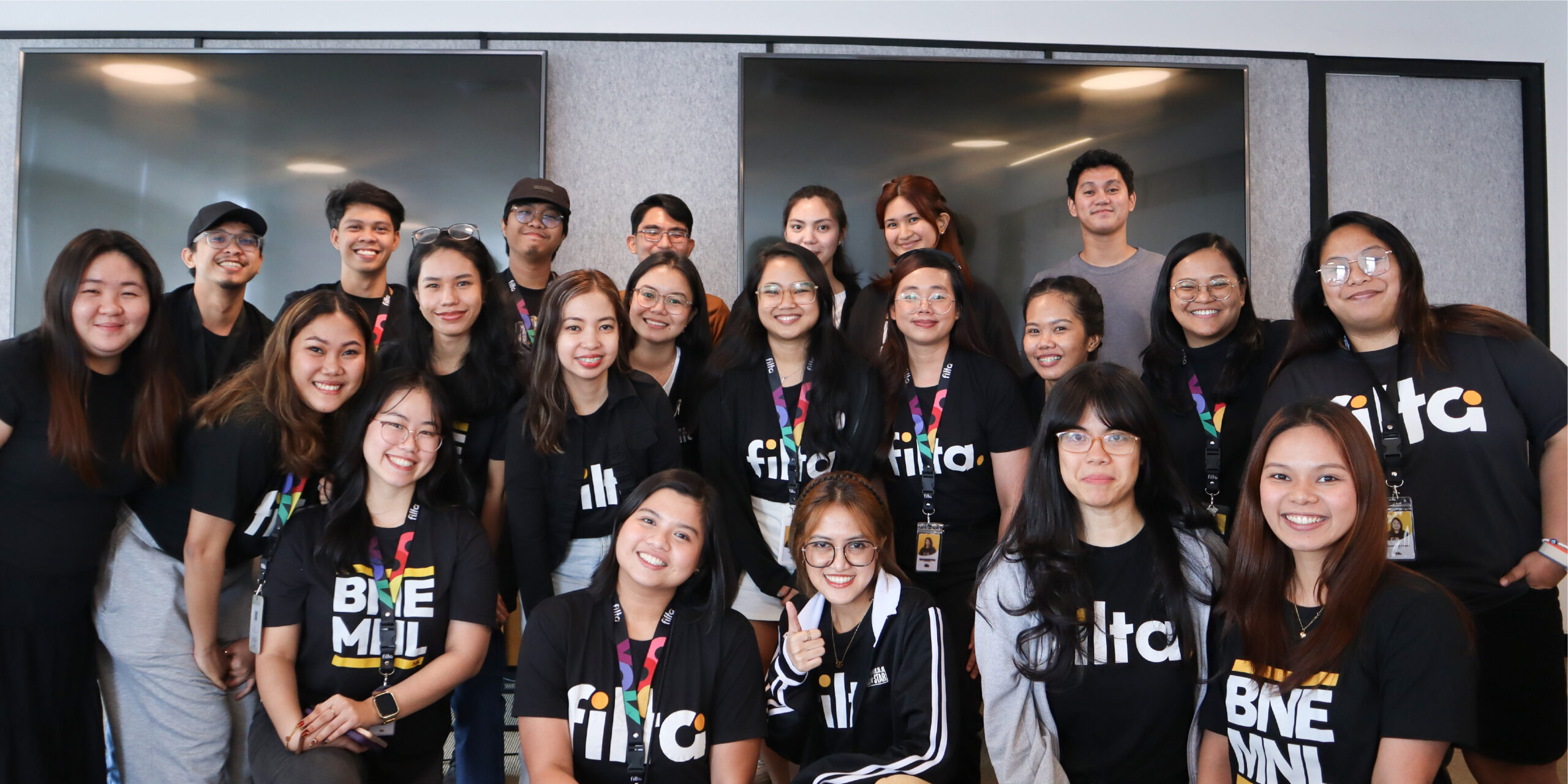
Filta works specifically with businesses in this transition.
The model is built for companies that want to offshore strategically, not transactionally. That means handling talent acquisition, Employer of Record (EOR) compliance, equipment, cultural integration, and ongoing support under one roof. Clients do not need to figure out how to hire legally in the Philippines or Colombia, manage payroll across borders, or navigate the compliance complexity that comes with global employment. Filta handles it.
The result is an offshore team that is set up to perform from week one, integrated into the client’s existing tools and culture, and supported over the long term. Not a vendor relationship. A team extension.
For businesses that are watching the AI pivot reshape their industry and wondering what their workforce should look like in two years, this is worth thinking about now rather than later.
The companies winning right now are not just cutting costs with AI. They are using the savings to invest in global talent that AI cannot replace.
➡️ Book a free strategy session with Filta to find out how to build an offshore team that actually moves your business forward.
Frequently Asked Questions
What does Filta handle that a business would otherwise need to manage itself?
Filta covers the full scope: talent sourcing and recruitment, Employer of Record compliance for hiring legally in the Philippines and Colombia, equipment and setup, cultural integration training, and ongoing support after placement. Clients get the offshore team without the administrative and legal complexity of building one independently.
Is offshoring growing or shrinking in the AI era?
Growing, and accelerating. The global offshore development market is projected to grow from $178 billion, with demand driven by a combination of cost pressure, local talent shortages, and the ability to pair offshore professionals with AI tools for higher output at lower cost. Major enterprises including KPMG, EY, and Crown Resorts have all made significant offshore moves in 2025 and 2026.
Why are companies offshoring more after AI, not less?
Because AI frees up budget that gets redeployed into global talent, and because AI tools amplify what offshore professionals can produce. The roles AI is eliminating tend to be repetitive and rule-based. The roles being added offshore tend to require human judgment, communication, and relationship management, exactly the things AI handles poorly. The two strategies complement each other rather than compete.
What functions are best suited to offshore hiring right now?
The strongest offshore hires right now are in roles requiring consistent, skilled human output: operations, finance, marketing, creative, customer experience, and executive support. These are functions where local talent is expensive, where offshore professionals in the Philippines and Colombia are well-trained, and where AI tools can extend their output further.
How do I know if my business is ready to offshore?
If you have roles that are consistently hard to fill locally, functions where cost is compressing your margins, or capacity gaps that are slowing growth, offshore hiring is worth exploring seriously. The businesses that benefit most tend to be those with clear processes, a willingness to invest in proper onboarding, and a view of offshore talent as a team extension rather than a cost reduction exercise.







 +61 (07) 45180033


