
 Let's Talk



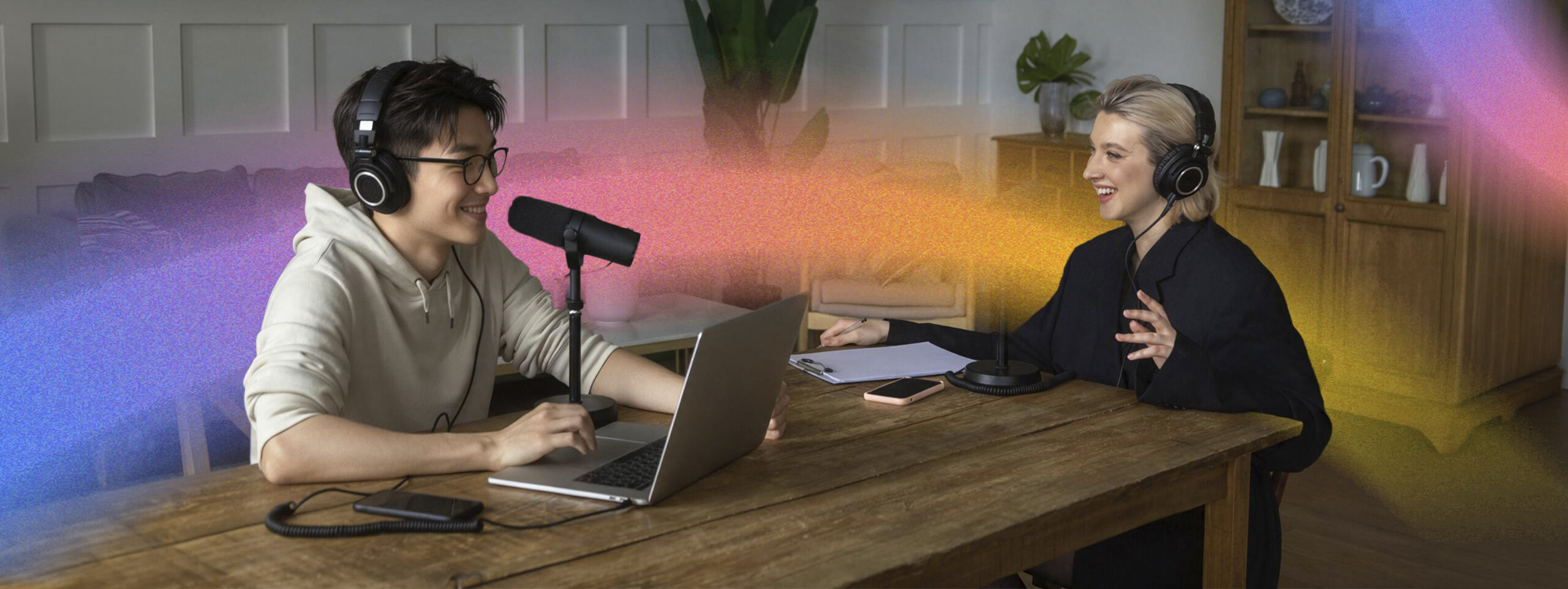


Dallas has a growing podcast and streaming production scene, serving corporate content teams, independent creators, enterprise communications departments, and digital media brands.
The demand for produced content is growing alongside it. Grand View Research valued the global podcasting market at $30.72 billion in 2024 and projects it to reach $131.13 billion by 2030. North America accounted for more than 38% of the market in 2024.
For a Dallas podcast or streaming brand, that creates a sizeable opportunity. It also creates a production challenge.
An episode rarely ends when the recording stops. Someone still needs to edit the video, clean up the audio, write the show notes, prepare social clips, create graphics, schedule the release, publish it across platforms, and review the results.
That workload becomes harder to manage as the show moves from one episode a week to several.
Hiring every production role locally can also become expensive. A remote team gives growing brands another option: keep the creative direction and core operations close to Dallas while bringing in dedicated specialists who can handle the work behind each episode.
Why Podcast and Streaming Production Works Well With Remote Teams
A large part of podcast production already happens digitally.
Raw audio and video files can be stored in the cloud. Editors can work from those files without being in the studio. Show notes, scripts, briefs, and content calendars can sit in shared documents. Distribution happens through online platforms such as YouTube, Spotify, and Apple Podcasts.
Even recording does not always require everyone to be in the same room. Platforms such as Riverside.fm and SquadCast allow hosts and guests to record remotely.
The physical studio still matters for many Dallas brands. The work surrounding the recording does not necessarily need to happen there.
That makes it possible to separate where the content is recorded from where the production work happens.
A video editor in the Philippines can work on the same footage as someone based in Dallas. A social media manager in Colombia can monitor engagement during Dallas business hours. A designer can prepare episode artwork from a shared brief.
The setup works when responsibilities are clear and the production process is easy for everyone to follow.
Start With the Work
Before hiring, map out what actually happens between recording an episode and publishing it.
A typical production process might include video and audio editing, written content, short-form clips, social publishing, graphic design, distribution, analytics, and audience engagement.
The exact mix will depend on the show. A weekly interview podcast will have different needs from a brand producing four video episodes a week, but the work usually falls into a few core areas.
- Production and post-production. Video episodes may require multicam editing, B-roll, color correction, lower thirds, audio cleanup, and different exports for YouTube and social platforms. Audio shows still need mixing, leveling, noise removal, and final mastering.
- Show notes and written content. Each episode needs supporting copy. That can include show notes, timestamps, guest information, episode descriptions, links, newsletters, and longer articles built around the episode.
- Social content and short-form clips. Learning Revolution reports that 58% of Americans age 12 and older had consumed a podcast in the previous month as of 2026. Short clips and social posts give a show more opportunities to reach people who have never encountered the full episode.
- Platform distribution and scheduling. Someone needs to manage episode metadata, descriptions, release dates, RSS feeds, YouTube uploads, Spotify, Apple Podcasts, and other distribution channels.
- Graphic design. Episode artwork, guest announcements, thumbnails, social graphics, and recurring templates all need to look like they belong to the same brand.
- Analytics and reporting. A growing show needs someone keeping track of audience behavior, episode performance, watch time, downloads, and other platform-specific data. For brands earning money through sponsorships, this information can also support advertiser conversations.
- Community and audience engagement. Comments, social messages, newsletters, guest follow-ups, and other audience interactions need regular attention.
Once those responsibilities are mapped out, it becomes much easier to see which work should stay with the Dallas-based team and which roles can be handled remotely.
Build the Remote Team Around Those Responsibilities
For a Dallas brand producing two to four episodes a week across audio and video, a five-person remote team could cover a substantial part of the production workload.
Video Editor: Philippines
The video editor owns post-production from the raw recording through the final exports.
That can include the full YouTube episode, shorter highlight cuts, vertical clips, audio cleanup, captions, and platform-specific versions.
The Philippines has a large pool of video editing talent familiar with Adobe Premiere, DaVinci Resolve, and CapCut. According to Filta’s 2026 Salary Guide, the true all-in annual cost of a Philippines-based video editor is $22,412, compared with $93,600 for an equivalent US hire.
For a show producing several episodes every week, having one person who knows the editing style and can work through the footage consistently can remove a significant amount of work from the founder or producer.
Content Producer and Show Notes Writer: Colombia or Philippines
The person handling written content turns one recording into several assets.
They can prepare show notes, timestamps, guest bios, episode descriptions, SEO blog posts, newsletter copy, and other written material connected to the episode.
Colombia can be useful when a brand produces Spanish-language or bilingual content. The Philippines is also a strong option for English-language production.
Filta’s 2026 Salary Guide puts the true all-in annual cost of a digital producer in the Philippines at $36,784, compared with $136,500 for a US equivalent.
Social Media Manager: Colombia
The social media manager takes the finished content and turns it into an ongoing distribution plan.
They can schedule clips and posts across Instagram, LinkedIn, TikTok, and X, monitor comments and engagement, and use performance data to inform future content.
Colombia’s working hours align closely with Dallas, which is useful for a role that involves real-time monitoring and same-day communication.
Filta’s salary data puts the true all-in annual cost of a social media manager in Colombia at $43,426, compared with $123,500 for a US equivalent.
Graphic Designer: Philippines
A dedicated designer can handle episode artwork, guest announcements, thumbnails, social templates, and other visual assets.
The work is well suited to a remote setup because most design requests can be handled from a clear brief and a shared library of brand assets. A designer can also build templates over time, reducing the amount of work required for recurring episode promotions.
Filta’s 2026 Salary Guide lists a true all-in annual cost of $31,945 for a Philippines-based graphic designer, compared with $136,500 for a US equivalent.
Data Analyst or Operations Coordinator: Philippines or Colombia
Someone needs to keep the production calendar moving and make sense of the numbers after each episode goes live.
Depending on the brand, this person could manage publishing schedules, track episode performance, prepare monthly reports, coordinate internal deadlines, and organize the data used in sponsorship or advertising discussions.
The true all-in annual cost for a data analyst in the Philippines is $20,029 through Filta, compared with $149,500 for a US equivalent, according to the 2026 Salary Guide.
What a Five-Person Remote Team Costs
The cost difference becomes clearer when the roles are looked at together.
Based on Filta’s 2026 Salary Guide, a five-person remote team covering these functions would cost approximately $154,000 to $175,000 per year, depending on seniority and market allocation. The figure includes associated fees, benefits, and compliance costs.
A comparable five-person team hired locally in Dallas could cost roughly $500,000 to $650,000 annually once salaries, payroll taxes, health insurance, recruiting, equipment, and other employment costs are included.
That difference gives a growing podcast or streaming brand more room to invest in production before reaching enterprise scale.
Instead of asking one local employee to handle editing, social media, design, publishing, and reporting, the brand can give each function a clear owner.
The result is a team that can take more of the production workload away from the founder and creative lead.
Give the Team a Workflow Before They Start
Remote production becomes difficult when nobody knows what happens after the recording finishes.
The process should be mapped before the first remote hire starts.
For example, the raw recording can go into a shared folder immediately after the session. The editor receives the production brief and begins the main cut. Once the edit is ready for review, the producer or creative lead provides feedback. The social media manager can work from approved clips while the content producer prepares the written assets. The designer creates the artwork and supporting graphics. The operations coordinator keeps the publishing calendar on track.
The exact process will vary by brand. What matters is that everyone knows who owns each stage, when the work is due, and where the latest files and instructions live.
A project management tool such as Asana, Monday.com, or Notion can handle the task tracking. Shared cloud storage can handle the media. A simple brief template can give editors, writers, and designers the information they need without another meeting.
This is particularly important when the founder is still involved in every part of production. If every decision has to go through one person, adding five more people will not solve the bottleneck.
The workflow needs to give the team enough information to keep moving without constant intervention.
Choose Colombia and the Philippines Based on the Work
The two markets can serve different parts of the same production operation.
- Colombia is useful for roles that benefit from close working-hour alignment with Dallas. A social media manager who needs to monitor conversations, attend meetings, and respond quickly during the day is one example. Writers working directly with Dallas-based SMEs can also benefit from the overlap.
- Philippines can work particularly well for production roles that lend themselves to asynchronous delivery. Video editors, graphic designers, content producers, and analysts can receive their briefs, work through their deliverables, and hand them back according to an agreed schedule.
A team can also use both markets.
There is no requirement for every remote employee to be based in the same country. The better approach is to match the location to the work and the collaboration required.
Building the Team Through Filta
Filta sources dedicated full-time team members for businesses building remote teams in the Philippines and Colombia.
For a podcast or streaming brand, that means hiring around the actual production requirements. A brand can look for a video editor with podcast experience, a social media manager who understands short-form distribution, or a designer who has worked with branded content.
Employment is handled through Filta’s Employer of Record service in-country. Contracts, mandatory benefits, payroll, and local employment requirements are managed through the local entity, while the team member works directly within the client’s tools and day-to-day workflows.
The typical timeline from initial brief to operational hire is four to six weeks.
For a Dallas podcast or streaming brand that has outgrown a founder-led production process, that can be a practical way to build the team behind the content without trying to recruit every specialist locally.
Frequently Asked Questions (FAQs)
- Do remote team members need to work Dallas business hours?
Not necessarily. The schedule should depend on the role.
Colombia-based employees can work closely with a Dallas team because of the strong time zone overlap. That is useful for social media, client-facing content work, and roles that need regular real-time communication.
Philippines-based employees can work an offset schedule for tasks that do not require everyone to be online simultaneously. Video editing, graphic design, content production, and analytics can often be organized around clear handoffs and delivery deadlines. - What project management tools work best for a remote podcast production team?
Asana, Monday.com, and Notion can all work well. The platform matters less than how consistently the team uses it. Each episode should have clear tasks, owners, deadlines, and approval stages so that everyone can see what has been completed and what still needs attention. - Can a Philippines-based or Colombia-based video editor handle the turnaround speed podcasts require?
Yes, provided the production schedule is clear. The editor needs to know when raw files will arrive, what the finished episode should look like, how revisions are handled, and when the final assets need to be delivered. Experience matters here. An editor who has already worked with podcast or streaming content will generally understand the pace and recurring requirements better than someone learning the format from scratch. - Is it worth hiring a dedicated social media manager for a podcast that is still growing?
It depends on the show’s publishing volume and how much social content it is already producing.
A show publishing several episodes each week creates a steady stream of clips, quotes, announcements, and other material. Someone responsible for turning those assets into a consistent social presence can prevent distribution from becoming an occasional task squeezed between production deadlines. - How do I hand off files and creative briefs to a remote production team?
Shared cloud storage, a project management platform, and clear brief templates cover most of the process. The team should know where raw recordings go, how files are named, where completed assets are stored, and what information belongs in each brief. A short onboarding document covering those details can save a lot of back-and-forth during the first few weeks. - What is the minimum episode volume where a dedicated remote team makes sense?
There is no universal threshold, but two to three episodes per week is a reasonable point to start considering dedicated support. At that volume, production involves much more than recording and uploading. A dedicated team member who already knows the show can handle recurring work without needing to be briefed from scratch for every episode.
Filta helps Dallas businesses build dedicated remote production teams in the Philippines and Colombia, handling talent sourcing, Employer of Record (EOR) compliance, equipment, and ongoing team support.
Book a free strategy session → We can show you how to build a remote production team for your podcast, streaming brand, or content operation without taking on the full complexity of international hiring.






 +61 (07) 45180033


