
 Let's Talk






Most outsourcing companies will take anyone with a credit card.
We don’t.
Here’s the truth: not every company is ready for offshore staffing, and pretending otherwise sets everyone up to fail.
So before we take on a new client, we ask ourselves three questions.
1. Do they actually know what they need this person to do?
Sounds obvious. It’s not. We’ve had discovery calls where the client wants “someone to help with admin,” full stop. No task list, no workflow, no sense of what success looks like in 90 days.
That’s not a red flag on the client. It’s a signal we need to slow down before we speed up. A vague role brief becomes a vague hire, and a vague hire becomes a turnover statistic.
If we can’t get specific with someone, we tell them. Sometimes that means the deal waits a few weeks while they figure it out. Sometimes it means the deal doesn’t happen.
2. Will they actually manage the person, or just expect them to run alone?
Offshore staffing is not “set and forget.” The best outcomes we’ve seen happen when the client treats their offshore hire like any other team member: regular check-ins, clear feedback, actual onboarding.
The worst outcomes happen when a client hires someone, hands them a login, and disappears for a month.
We ask this question directly. Some people don’t love the answer. We’d rather have that conversation now than watch a good hire quit in month four because no one showed up for them.
3. Are they trying to save money, or trying to build a team?
There’s a real difference, and it shows up fast.
Clients chasing the lowest possible cost tend to treat the arrangement as disposable, and it shows in how the relationship plays out. Clients who see offshore staffing as building a genuine team, just in a different location, get years out of the same hire.
We’re built for the second kind of client. If someone’s shopping purely on price, we’re probably not the right fit, and we’ll say so.
Why we ask at all
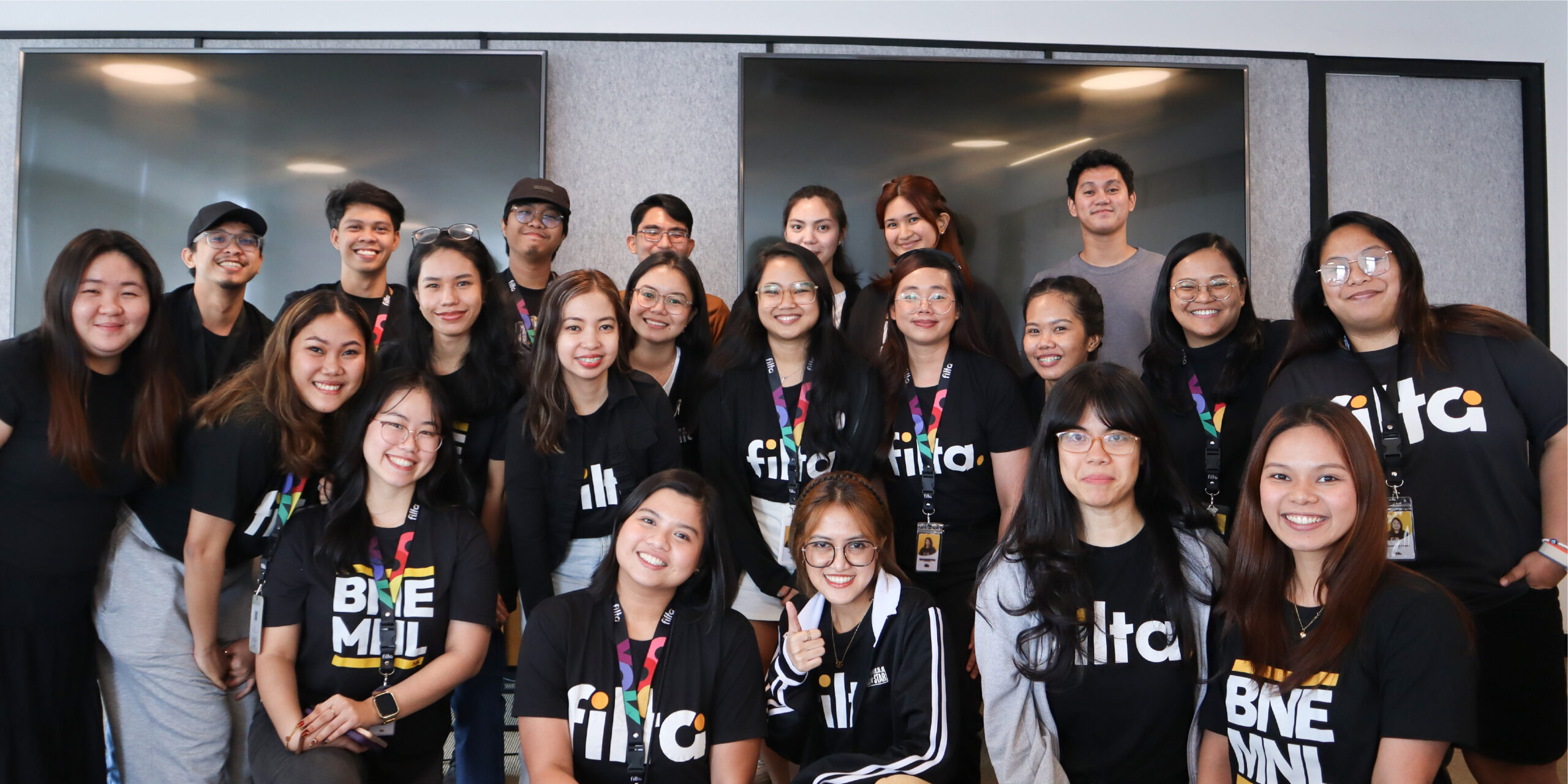
Because our team members stay with clients an average of three years. That number isn’t luck. It’s what happens when we only take on clients who are actually set up to make it work.
If you’re not sure whether you’d pass these three questions, that’s a good place to start a conversation, not a reason to avoid one.







 +61 (07) 45180033


