
 Let's Talk






Atlanta has become a major hub for B2B, fintech, healthcare, and technology companies. The agencies serving these businesses are dealing with a familiar client request: more content, produced faster.
A single account may need blog articles, case studies, whitepapers, landing pages, LinkedIn content, and regular SEO updates. The workload grows quickly, especially when an agency is managing several accounts at once.
AI has helped speed up parts of the production process, but it has not removed the need for writers who can research unfamiliar subjects, interview experts, understand a client’s perspective, and make complex information easy to follow.
The 2026 B2B Research from the Content Marketing Institute points to the continued importance of quality and expertise in B2B content. AI can support research and production, but the substance still needs to come from somewhere.
For Atlanta agencies, that creates a staffing challenge. Adding a local writer every time the content workload increases can become expensive, particularly when content retainers have already been priced around a fixed monthly fee.
Remote content writers offer another way to add capacity.
The Cost of Local Editorial Talent
Good writers are available in Atlanta. The harder part is finding someone who can handle technical B2B subjects, interview Subject Matter Experts (SMEs), understand SEO, follow a client’s brand voice, and work comfortably within an agency environment.
Local hiring can become expensive when several of those writers are needed.
Atlanta agencies compete with technology companies, healthcare organizations, financial firms, and other businesses for the same pool of experienced professionals. Salary is only part of the equation. Benefits, equipment, recruiting costs, and the time required to onboard each new employee all add to the cost of building an internal team.
That pressure becomes more noticeable when an agency’s content revenue is tied to monthly retainers.
A remote team gives agencies more room to scale without making every new writing role a local hire. The agency can keep strategy, client relationships, and editorial oversight close to the core team while bringing in dedicated writers to handle production.
The Colombian Strategy: Easier Collaboration With Atlanta Clients
B2B content often starts with a conversation.
A writer working on a cybersecurity article may need to interview a CTO. A fintech client may want its product manager to explain a technical feature. A healthcare company may have terminology that requires more context than a quick round of online research can provide.
Time zone overlap makes those conversations easier to manage.
Colombia is a useful option for Atlanta agencies because the two locations have significant working-hour overlap. Depending on the time of year, Colombia is either on the same time as Atlanta or one hour behind.
A Colombian writer can join a morning SME interview, ask follow-up questions while the client is still available, and take part in editorial discussions later that day. There is no need to wait until the following morning to clarify a point that came up during the interview.
That setup works particularly well for agencies whose writers are involved in client calls rather than simply receiving a brief and returning a finished draft.
It also gives the writer more context. Hearing an expert explain a product, challenge, or customer problem directly can produce a very different piece of content than working from a short summary.
The Philippines Advantage: More Production Capacity
The Philippines has a large pool of English-speaking professionals working across content writing, SEO, digital marketing, and other online services.
For agencies with demanding editorial calendars, that talent pool can provide additional production capacity without requiring every writer to work from the same Atlanta office.
A remote content writer in the Philippines may support work such as:
- SEO blog articles
- Long-form content
- Website copy
- Content updates and refreshes
- Meta titles and descriptions
- SEO content briefs
- Keyword-focused articles
- Social media copy
The time difference can also fit neatly into an agency’s workflow.
An Atlanta team can spend its day working through client priorities, reviewing briefs, handling approvals, and planning campaigns. Writers in the Philippines can pick up the work during their own working hours and continue production after the Atlanta team has logged off.
The arrangement does not eliminate editing or review. It gives the agency another block of productive hours in the content cycle.
For a team managing a large number of articles every month, that additional capacity can make deadlines easier to manage.
How to Vet Remote Writers in the AI Era
A strong remote writer needs more than good grammar.
AI has made it relatively easy to produce clean-looking copy. The harder skill is knowing whether the information is accurate, whether the angle is useful, and whether the finished article actually sounds like the client.
A few interview questions can reveal a lot:
- “How would you research a topic you know nothing about?”
Look for a process that includes credible sources, primary information, expert interviews, and fact-checking. A writer who relies entirely on AI-generated summaries is unlikely to produce strong specialist content. - “How do you approach E-E-A-T?”
Ask how they would bring Experience, Expertise, Authoritativeness, and Trustworthiness into an article. Their answer should go beyond inserting keywords or mentioning credentials. They should understand how first-hand knowledge, expert input, original examples, and accurate information strengthen a piece. - “How do you use AI in your workflow?”
AI can be useful for brainstorming, organizing research, creating an initial outline, or working through a difficult starting point. The writer should still be responsible for the research, decisions, tone, and final copy. - “How do you learn a new brand voice?”
A good writer should be interested in previous content, client feedback, approved examples, interviews, and the company’s own terminology. That is how a writer starts sounding like part of the team instead of someone writing from the outside.
The strongest candidates will usually have a clear writing process of their own. AI should fit into that process rather than define it.
Retention Protects Brand Voice
A writer becomes more useful to an agency as they learn its clients.
After several months with the same account, a writer may already know which subjects have been covered, which SMEs provide useful interviews, how the client prefers technical concepts explained, and what the editor tends to change during review.
That knowledge is difficult to replace.
A new freelancer can be perfectly capable and still require significant guidance. Senior editors may need to explain the client’s voice, provide additional context, and rewrite sections that miss the mark. The same process happens again when the next freelancer takes over.
A dedicated remote writer has the opportunity to build that knowledge over time.
Agencies should treat those writers as part of the editorial team. Invite them into relevant meetings. Give them direct feedback. Share the finished work and the client’s response. Let them understand why a particular piece worked or needed changes.
The longer they stay, the less instruction they generally need.
Eventually, a writer who has worked closely with an account can take a brief and understand what the client is likely to want before the editor spells it all out. That is a much more valuable resource than simply having another pair of hands available for overflow work.
Scale Content Without Stretching Your Local Team
Atlanta agencies have several ways to handle growing content workloads. Hiring locally will make sense for some roles and some businesses. Remote hiring gives agencies another option when the cost or availability of local talent starts becoming a constraint.
Colombia can be a strong fit when writers need regular interaction with Atlanta-based clients and SMEs. The Philippines can work well for agencies that need dependable production capacity across a busy SEO or content calendar.
The decision ultimately comes down to the work itself, the level of collaboration required, and how the agency wants its editorial team to operate.
If your content team is spending more time keeping up with production than working on strategy and client relationships, it may be worth looking at where additional writing capacity could fit into the workflow.
Book a free strategy session to discuss how a dedicated remote content team could support your agency.
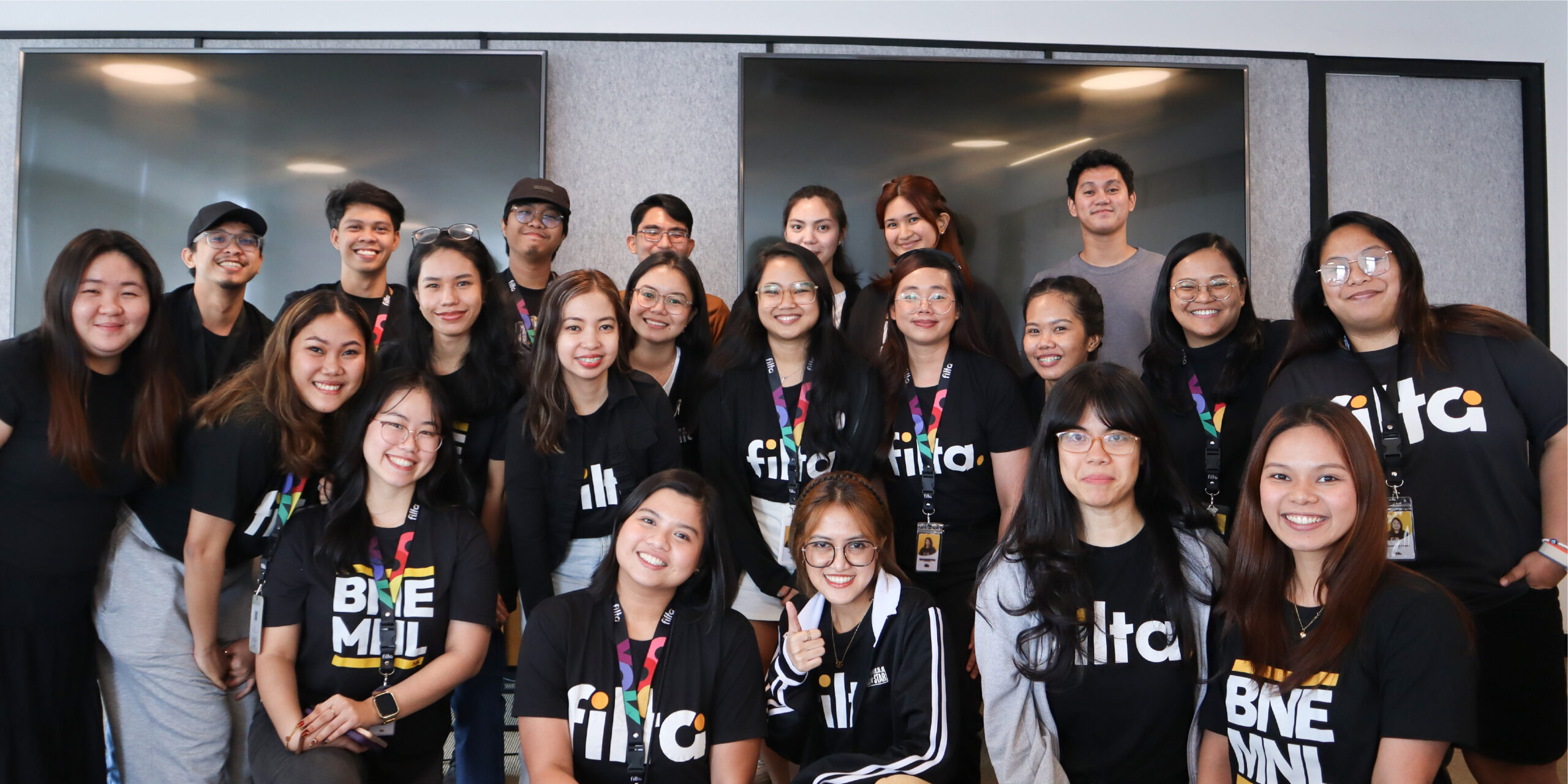
Filta helps businesses build dedicated remote teams in the Philippines and Colombia, supporting talent acquisition, Employer of Record (EOR) compliance, equipment, cultural integration, and ongoing team support.
Book a free strategy session → We can show you how to build a dedicated remote team for content, creative, marketing, and other functions without managing every part of international hiring yourself.






 +61 (07) 45180033


