
 Let's Talk






Austin has become a major tech and business hub, but that does not mean every agency role needs to be based in the city.
SignalFire’s 2025 State of Tech Talent Report found that headcount at Austin’s venture-backed startups fell 6% in 2024 after years of rapid growth. The report also points to a broader shift toward more distributed hiring and hybrid work models. This data covers the tech startup market, not creative agencies specifically, but it illustrates why location and hiring strategy are increasingly connected.
For creative agencies, one option is to keep client-facing leadership local while building remote capacity for roles that do not require physical presence.
What the Hybrid Model Means
A hybrid agency team can have two connected layers.
- The local team handles client relationships, strategy, creative direction, business development, and work that benefits from being in the room. This might include account directors, creative directors, brand strategists, and senior producers.
- The remote team handles defined execution work such as design, copywriting, campaign management, social media, video editing, and data analysis. These team members work inside the agency’s existing tools and processes and report to the same managers as the local team.
The distinction is about the work, not the importance of the role.
A designer does not need to be in Austin to work from a creative brief. A copywriter does not need to be in the same office to develop campaign copy. A media buyer can manage campaigns remotely with the right access and reporting structure.
Which Roles Should Stay Local?
Some positions benefit directly from being close to clients and the local team.
That can include:
- Creative directors and senior art directors
- Account directors and senior strategists
- Business development
- Executive leadership
- Roles involving frequent in-person meetings, pitches, or workshops
These roles can remain in Austin while remote team members take on defined production and support responsibilities.
Which Roles Can Be Remote?
Depending on the agency’s workflow, remote capacity can work well for:
- Graphic and digital designers
- Copywriters
- Video editors
- Performance marketing specialists
- Media buyers
- Social media managers
- SEO specialists
- Data analysts
- Web developers
- Project coordinators
- Executive assistants
The question is not whether these roles are valuable. It is whether the work requires the person to be physically present.
What the Team Looks Like Day to Day
The local and remote teams should work from the same briefs, tools, and priorities.
An Austin-based account director might set the week’s priorities with the wider team. A remote designer works from the same brief and submits concepts through the agency’s project management system. The creative director reviews the work, provides feedback, and the designer handles the next round.
The same structure can work for copy, social media, campaign management, video, or other production work.
The remote team is not a separate production vendor. They are working within the agency’s existing processes and reporting structure.
The Philippines or Colombia?
The right market depends on the role and working hours.
Filta’s 2026 Salary Guide positions Colombia around live US Eastern hours and client-facing work, while the Philippines offers greater scale and depth across professional roles.
For an Austin agency working on Central Time, the time-zone difference should be considered when deciding which market fits a role.
A designer or writer working through planned briefs and review cycles may have more flexibility. A role requiring frequent real-time collaboration with the Austin team may benefit from greater working-hour overlap.
Start with the role’s workflow, then choose the market.
Look at the Full Employment Cost
Filta’s 2026 Salary Guide uses True Total Cost, which includes annual gross salary, Filta’s management fee, 13th-month pay, government benefits, and private health insurance. The guide is based on live 2026 placements and accepted offers.
For creative and marketing roles, the guide gives examples such as:
| Role | US | Colombia | Philippines |
| Digital Marketing Manager | $197,600 | $46,943 | $36,784 |
| Social Media Manager | $123,500 | $43,426 | $20,679 |
| Senior Graphic Designer | $136,500 | $50,472 | $31,945 |
These figures are total employment costs, not base salaries. For example, the guide puts a Senior Graphic Designer at $136,500 in the US versus $31,945 in the Philippines.
That difference does not mean every agency should move creative roles offshore. It gives agencies another option when deciding where additional execution capacity should sit.
Make Integration Part of the Structure
Remote execution only works if the team has enough context to do the work.
That means using the agency’s existing communication and project management systems, giving remote team members the briefs they need, establishing clear reporting lines, and making feedback part of the normal workflow.
The local lead should not have to rewrite every task for the remote team. The remote team should have enough context to understand what they are producing, who it is for, and what standard they are working toward.
Start With One Role
An agency does not need to redesign its entire organization to test the model.
Start with an execution role where additional capacity is needed. Define the work, decide what needs to remain local, document the workflow, and determine which market fits the working hours.
Then build the remote role into the same team structure as the local staff.
If the model works for one role, the agency has a clearer basis for deciding whether other positions can be structured the same way.
How Filta Can Help
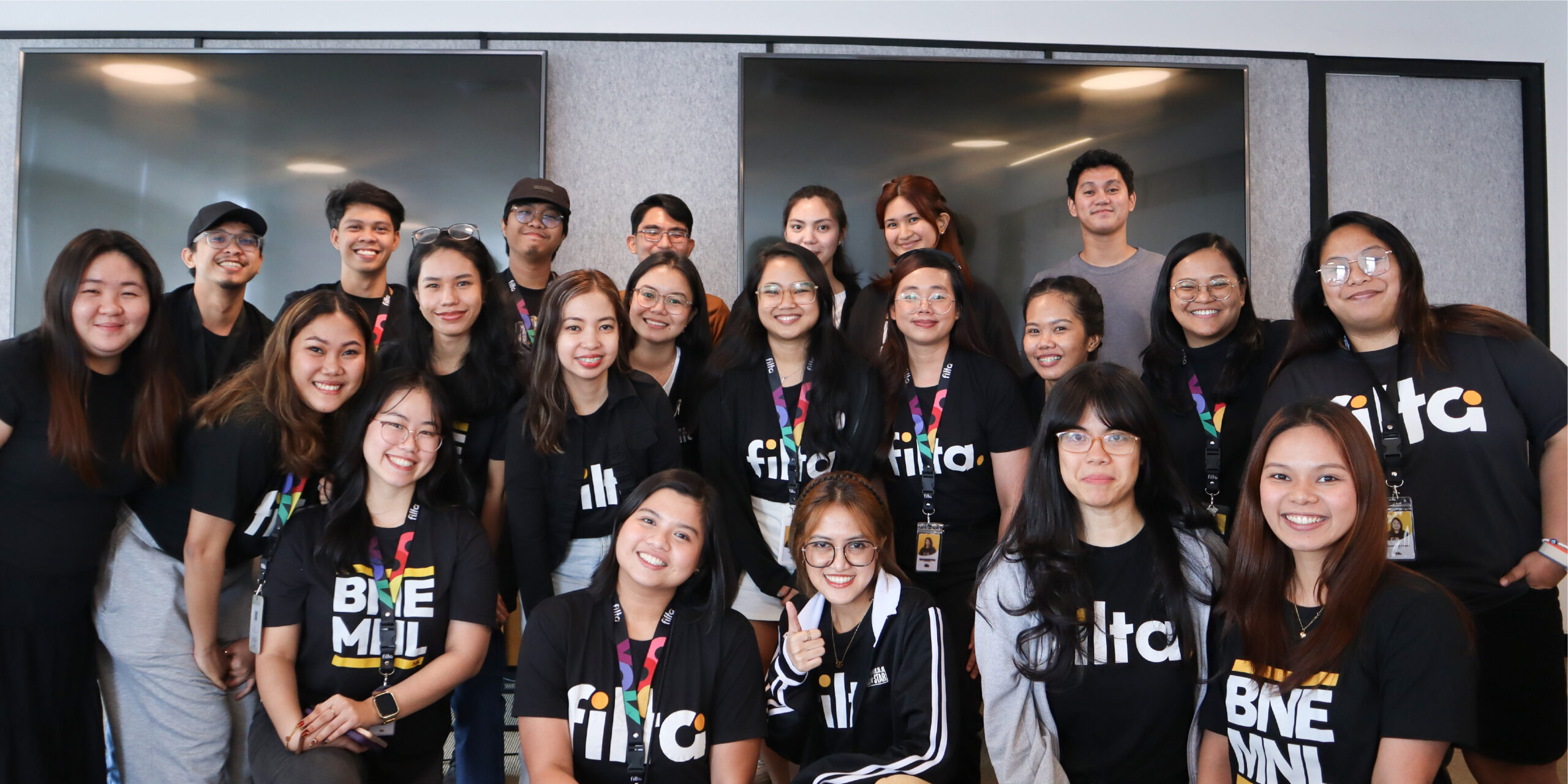
Filta helps US companies build dedicated teams in the Philippines and Colombia. Its services include talent sourcing, Employer of Record services, payroll, benefits, equipment, and ongoing HR support.
For an Austin creative agency, that can provide the employment infrastructure behind a remote execution role while the agency manages the employee’s day-to-day work.
The result is a team structure based on what each role actually requires, with local leadership where proximity matters and remote capacity where the work allows it.
Book a free strategy session to explore which roles in your agency could be structured remotely.
Filta is ranked in the top 9% of outsourcing providers globally. We help Austin creative agencies build high-performing offshore execution teams in the Philippines and Colombia, handling talent sourcing, Employer of Record (EOR) compliance, equipment, cultural integration, and ongoing support under one roof.
Book a free strategy session → We will show you exactly how to build the offshore layer of your creative team in 3 to 5 weeks with the same quality you would expect from a 10-week local search.






 +61 (07) 45180033


