 hello@filtaglobal.com

 Let's Talk


If you’re leading a remote or hybrid team, chances are you’re already thinking about trust. But are you building the right kind of trust?
In virtual teams, we often lean hard on what’s easy to measure: deadlines hit, messages replied to, calendars managed like clockwork. That’s what Erin Meyer calls cognitive trust – trust built on competence, consistency, and professionalism.
But there’s another layer of trust that often gets overlooked, and it’s the one that creates emotional glue, not just operational alignment.
It’s called Affective Trust. And recently, I had a vivid reminder of just how powerful it can be.
My Recent Trip to the Philippines
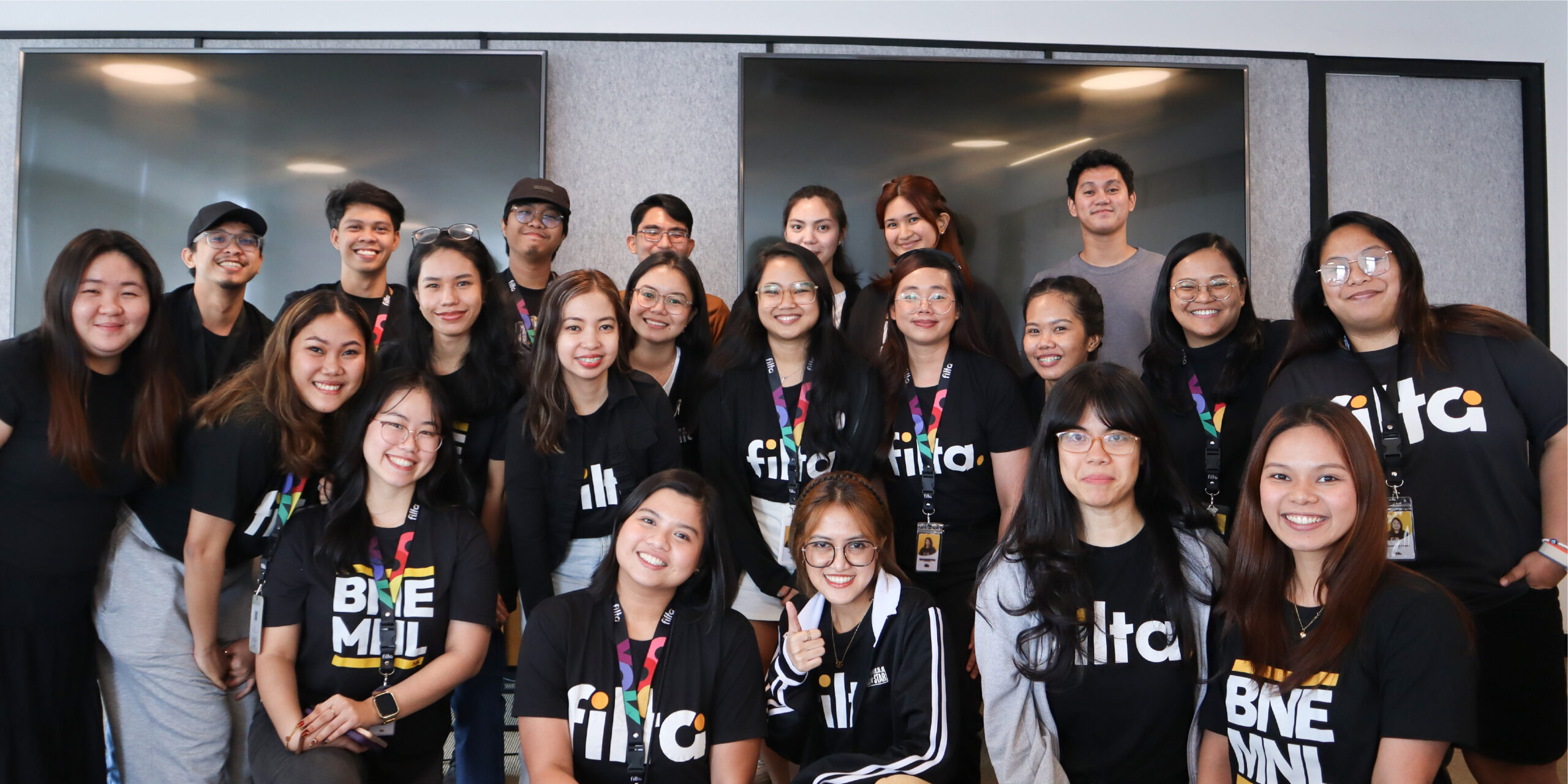
I just got back from spending time with our team in the Philippines. These are people I’ve worked with closely – some for years. We’ve delivered results together. We’ve solved tough problems. We’ve trusted each other.
Or so I thought.
What struck me on this trip wasn’t a change in what we do – it was a change in how we feel.
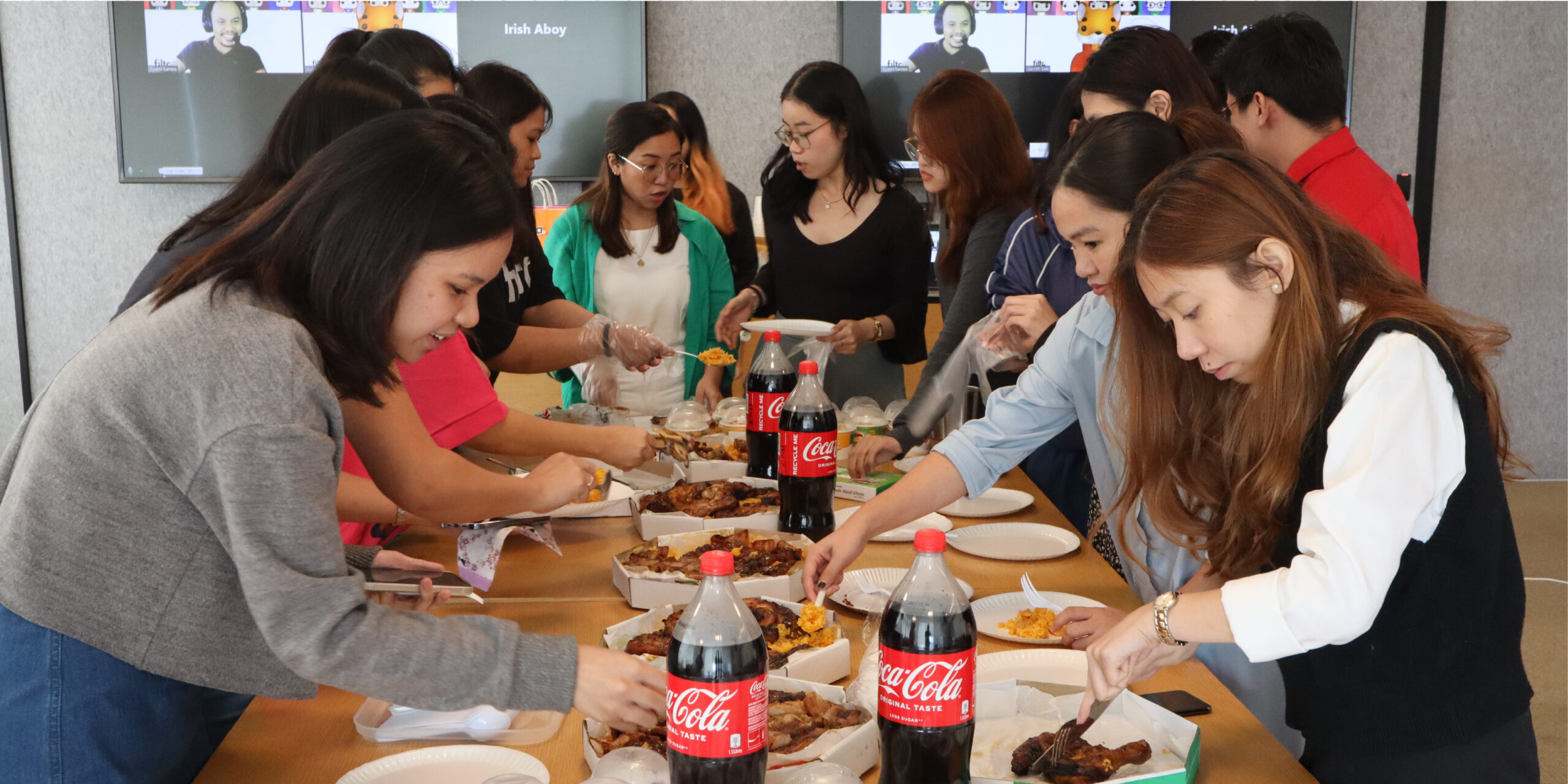
There was laughter and ownership in meetings that used to be all silence and delegation. Casual stories over lunch that revealed so much more than someone’s title ever could. A sense of ease, of warmth, of mutual care. And it wasn’t just me feeling it. I could see the shift in our collaboration, our energy, our confidence in each other.
We already had cognitive trust. But by spending time together – face-to-face, without an agenda – we built affective trust. And it changed everything.
My Analysis
This isn’t just a nice-to-have. It’s a core leadership insight for anyone managing globally distributed teams.
Cognitive trust is built on what people do – are they competent, do they follow through, can I depend on them?
Affective trust is built on who people are – do I feel connected, do I believe they care, do I enjoy working with them?
The Culture Map explains that different cultures build trust differently. In the U.S., Germany, and other cognitive-trust cultures, people tend to trust through delivery. In Brazil, Saudi Arabia, the Philippines, and many parts of Latin America, trust grows through personal connection and shared time.
Remote work, by design, tends to emphasize cognitive trust. We see each other through the lens of tasks and timelines. But this creates a brittle kind of trust, one that can easily erode under pressure, misunderstandings, or cultural blind spots.
Affective trust, on the other hand, gives teams staying power. It’s what allows people to assume good intent. To resolve conflict faster. To stick together when the path gets ambiguous.
Why This Matters
The State of Organizations 2023 report from McKinsey urges leaders to move beyond basic hybrid structures and be intentional about how, when, and why we gather. In-person time shouldn’t just be about getting work done, it should be about deepening connection.
And Mercer’s 2024 Global Talent Trends report links affective trust directly to psychological safety, creativity, and energy – all essential ingredients in today’s fast-moving, remote-first world.
In other words: emotional closeness isn’t soft. It’s strategic.
What You Can Do
- Don’t just schedule meetings, instead create moments. In-person time should include space for unstructured connection: shared meals, walks, stories, laughter. That’s where affective trust lives.
- Design hybrid intentionally. Align policies around why people come together, not just when. Use face-to-face time for onboarding, alignment, and bonding, not more status updates.
- Cultivate cultural empathy. Not all cultures build trust the same way. Learn how your team members prefer to connect, and make space for it.
- Make emotional connection safe and normal. Encourage informal chats, voice notes, even emojis. These aren’t distractions – they’re building blocks of trust.
- Watch for the signs. When collaboration feels flat or brittle, ask: are we relying too much on cognitive trust? Is it time to reconnect as people?
Final Thoughts
In remote teams, competence is the baseline. But emotional connection is the multiplier.
Trust that people can do the work is important. But trust that they care – and that you care – that’s what builds teams that last.
If your team feels reliable but not resilient, it might be time to invest in more than task management. It might be time to fly in, share a meal, and build the kind of trust that sticks.
Here’s to leading better, one insight at a time.
Join Outsourcing Un-Filta’d – The Global Growth Newsletter by Filta Co-Founder & Chief Growth Officer, Nerissa Chaux.
Be the first to access exclusive global hiring intel and cultural insights built for leaders growing global teams.
Sign up here: https://bit.ly/TheGlobalGrowthNewsletter
Explore more of these insights at filtaglobal.com
Connect to Nerissa Chaux via LinkedIn!






 +61 (07) 2146 2211


