

 Let's Talk






Every first quarter, leadership teams revisit the same goals.
→ Scale the business.
→ Grow the team.
→ Enter new markets.
→ Move faster this year.
The ambition is valid. The blind spot is predictable.
Most leaders underestimate how much work happens between the decision to scale and a team actually performing well. Growth plans often focus on headcount targets and timelines, while the harder operational work gets addressed reactively.
That gap is where scaling usually starts to break.
I. Recruitment Is the First Pressure Point
At the start of the year, hiring accelerates.
Roles are approved. Timelines tighten. Managers are pushed to fill seats quickly. This is where many companies make their first compromise.
Instead of hiring for how someone operates under pressure, decisions lean heavily on skills, availability, and interview performance. Candidates look strong on paper. The behavioral alignment gets assumed.
Weeks later, leaders realise they hired capability without clarity. New hires struggle with ambiguity, decision-making, or ownership. Managers step in more than planned. Teams adjust around one person.
The issue is not talent quality, but in hiring without enough attention to how people actually work.
Scaling teams requires hiring people who can operate in imperfect systems, not just perform in structured interviews.
II. Onboarding Is Where Momentum Is Either Built or Lost
Most leaders underestimate onboarding.
New hires often start without full clarity on expectations, decision-making boundaries, or how success is measured. Access is delayed. Context is missing. Compliance is handled quietly, sometimes incorrectly.
This creates early friction that does not show up immediately but slows everything down.
Strong onboarding is not about orientation decks. It is about removing uncertainty early. People need to know how they are employed, who they report to, how decisions get made, and where to go when things are unclear.
When onboarding is rushed, leaders pay for it later in performance conversations, rework, and attrition.
III. Retention Problems Rarely Start With Pay
By mid-year, leaders start noticing churn.
High performers disengage. Feedback loops tighten. Exit conversations cite “growth” or “fit.” Compensation is often blamed, but it is rarely the root cause.
Most retention issues stem from misalignment. People do not understand how their work connects to outcomes. Priorities shift without explanation. Decisions feel disconnected from daily effort.
In global teams, this is amplified. Distance makes silence louder. Lack of context turns into assumptions.
Retention improves when people understand the why behind their work, how success is defined, and how decisions are made. Without that, even well-paid employees disengage over time.
IV. Offboarding Is a Risk Leaders Rarely Plan For
Offboarding is often treated as an admin afterthought.
In reality, poorly handled exits create operational risk, compliance exposure, and team instability. Knowledge walks out the door. Remaining employees question stability. Managers scramble to rebalance workloads.
In growing organisations, exits are inevitable. The difference is whether they are handled with structure and clarity or left to individual managers to manage inconsistently.
Thoughtful offboarding protects continuity and trust, especially in global teams where legal and employment complexity is higher.
V. Cultural Alignment Is Not a Soft Issue
As teams scale across borders, cultural friction is often misdiagnosed as performance issues.
Communication styles clash. Feedback feels blunt or unclear. Response times are misinterpreted. Decision-making expectations differ.
These are rarely capability problems, but are context problems.
Cultural alignment works when it goes both ways. Employees need clarity on client expectations and working norms. Leaders need insight into local realities and communication cues.
When this is ignored, teams slow down quietly. When it is addressed early, collaboration improves without adding process.
What Scaling Actually Requires in 2026
Scaling in 2026 is not just about hiring more people. It is about building systems that support people across the full employee lifecycle.
✔ Recruitment needs to assess behavior, not just skills.
✔ Onboarding needs to remove uncertainty early.
✔ Retention depends on clarity, not perks.
✔ Offboarding must be structured, not reactive.
✔ Cultural alignment requires deliberate effort.
This work is less visible than hiring announcements. It is also where most growth plans succeed or fail.
How Filta Supports Leaders Through the Real Work of Scaling
Filta works with leaders who understand that scaling is operational before it is aspirational.
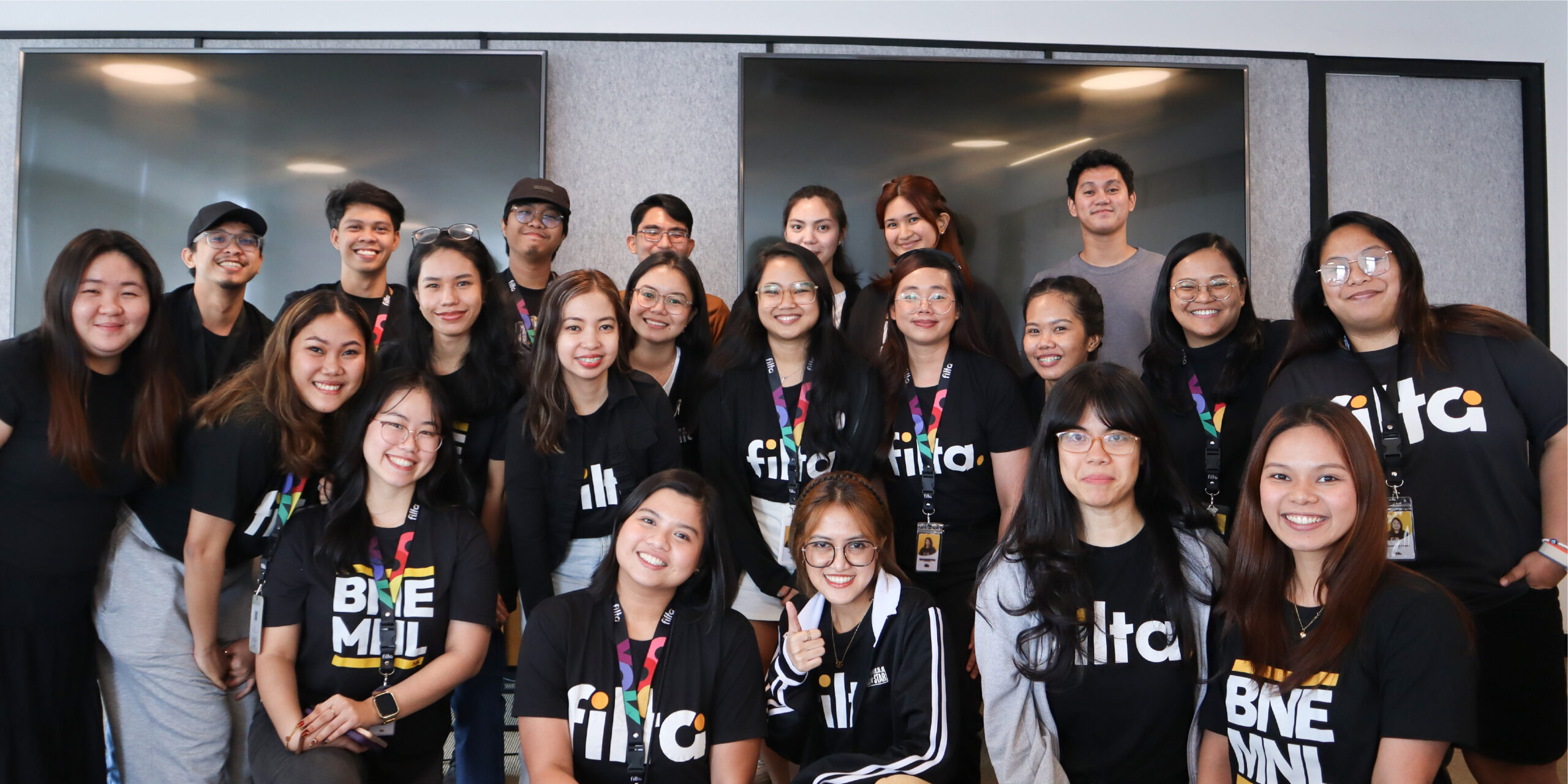
Instead of treating recruitment, onboarding, compliance, and culture as separate problems, Filta helps businesses connect them into one system. Teams are hired with intention, onboarded with clarity, supported with real people, and guided through growth and change.
When leaders are not consumed by fixing gaps in the foundation, they can focus on strategy, performance, and growth.
For more information and resources, visit: filtaglobal.com
Most growth plans fail not because the ambition is wrong, but because the execution underneath is underestimated. Filta helps businesses scale teams with structure so growth in 2026 is sustainable, not stressful.
Planning to scale this year? Book a free consultation with Filta and start with foundations that hold as your business grow: https://bit.ly/TalkToFilta







 +61 (07) 2146 2211