

 Let's Talk





Australia entered daylight saving time (DST) on October 5, moving clocks forward by one hour. Meanwhile, in the United States, DST is about to end on Sunday, November 2, when clocks will roll back one hour.
That means, for a few weeks each year, global teams in Australia and the United States, and offshore teams in countries like the Philippines and Colombia, find themselves temporarily out of sync.
It’s not just about losing or gaining an hour. It’s about how that one hour can affect your team’s focus, communication, and performance across borders.
What’s Happening in Australia
Since early October, Australians in New South Wales, Victoria, South Australia, the ACT, and Tasmania have been enjoying longer daylight hours in the evening but darker mornings. The change, however, split the country into five time zones instead of three, which can easily throw off scheduling with global partners.
The Sleep Health Foundation notes that losing even one hour of sleep can temporarily disrupt the circadian rhythm, affecting concentration and daytime energy levels. Their advice? Gradually adjust bedtime by 15 minutes over several nights, limit caffeine after midday, and reduce screen time before bed. These small adjustments help the body reset faster.
For teams in the Philippines and Colombia, which support Australian businesses, this change means fewer overlap hours, and the need to protect the time that matters most.
What’s Coming in the United States
Meanwhile, across the Pacific, Americans are about to move in the opposite direction.
On November 2, most U.S. states will “fall back” to standard time. Clocks will shift back one hour, giving people an extra hour of sleep, and darker evenings.
Nearly every state observes DST except Arizona and Hawaii, along with U.S. territories like Puerto Rico, Guam, and the Virgin Islands.
DST in the U.S. has been in place since 1918, originally introduced to save energy during wartime. But more than a century later, experts continue to debate whether it still makes sense. The American Academy of Sleep Medicine and other researchers now advocate for permanent standard time, citing evidence that the seasonal switch disrupts sleep and even impacts mood, safety, and productivity.
For global teams working with the U.S., this upcoming shift can once again change your collaboration rhythm. Meeting times that made sense in September might suddenly feel out of place come November.
How Smart Leaders Keep Global Teams in Sync
When your business operates across continents, you can’t control the clock, but you can control how your teams respond to it. Here’s how smart employers prepare and adapt:
1. Use DST-aware calendar tools.
Apps like Google Calendar, Outlook, or Clockify automatically adjust time zones when DST changes. Double-check recurring meetings and set alerts before the shift.
2. Redefine your collaboration hours.
Once DST changes, identify new overlapping hours and prioritize them for real-time work. Use asynchronous tools like Slack, Loom, or Notion for updates outside of those windows.
3. Encourage rest and rhythm.
Remind your team that a small shift can throw off their sleep. Suggest healthy routines like natural morning light, early exercise, no late caffeine, and shorter screen time at night.
4. Communicate early and clearly.
Send DST reminders to your clients and teams at least a week before the change. Proactive communication prevents confusion and shows reliability.
5. Use this as a leadership moment.
Small details like timezone alignment show your people you care about precision and well-being. It’s not about the hour, but about the respect behind it.
How Filta Helps
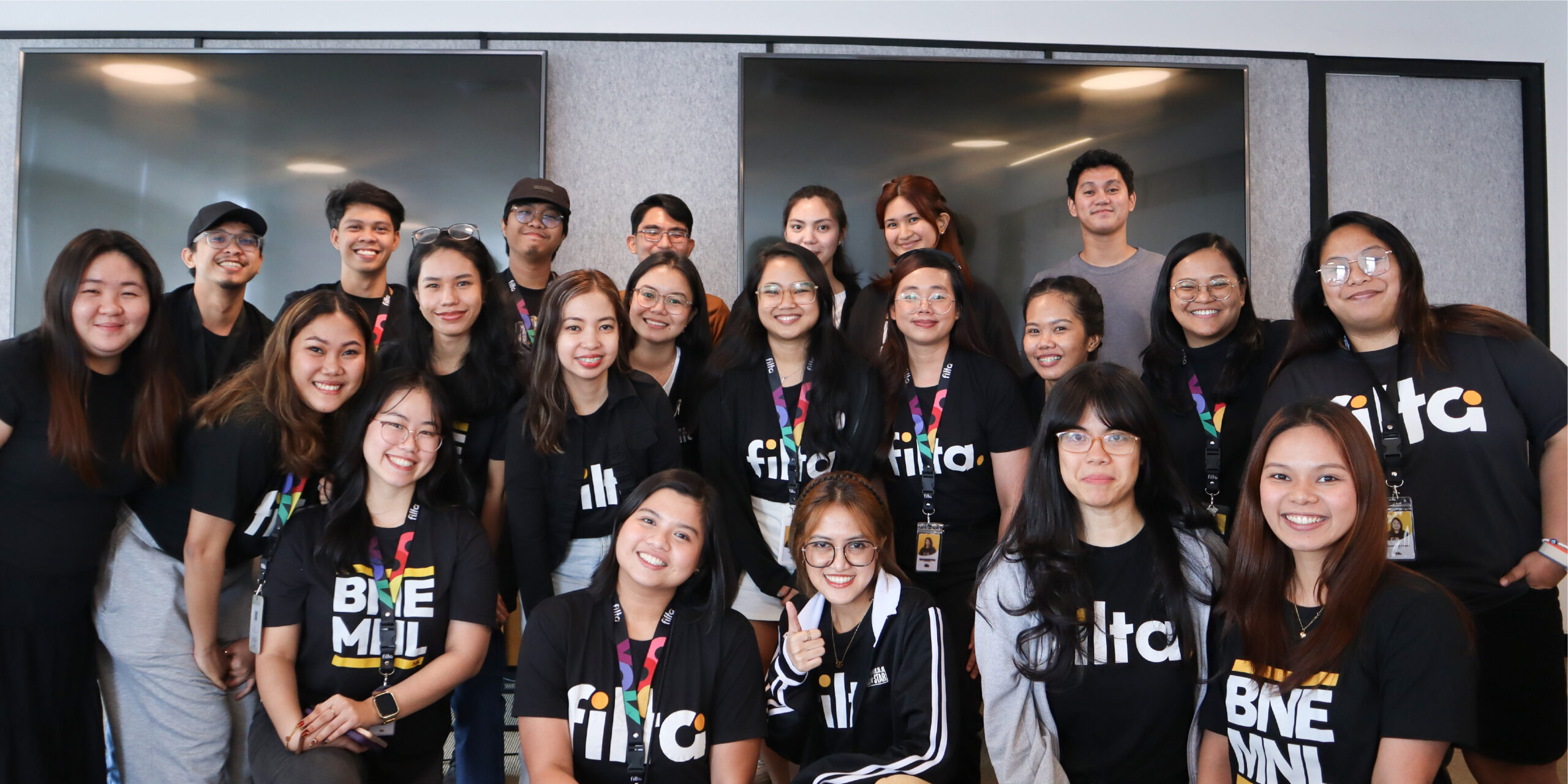
What we do is support global teams – whether that means helping clients in countries like Australia and the United States, or empowering employees in countries like the Philippines and Colombia.
We make collaboration easier by helping businesses build systems that work across time zones and cultures. From seamless communication and proper guidance to up-to-date insights and cultural context, we help you and your team stay aligned and effective for the long term.
Our recruiters and operations experts work closely with you to create clear processes, consistent communication, and a strong sense of connection across borders. Because when everyone understands each other, work flows better, no matter where in the world your team is.
What This Really Means
Daylight saving is a reminder that global leadership is about awareness, not just of markets and metrics, but of people’s time and energy.
The companies that prepare, communicate, and care through every shift (no matter how small) are the ones that build teams that perform, no matter what the clock says.
For more insights on managing globally connected, high-performing teams, visit filtaglobal.com







 +61 (07) 2146 2211