
 Let's Talk






There is a version of offshore hiring that works on paper and falls apart in practice. The person is qualified. The rate makes sense. The role is clearly defined. And then six months in, the client notices something is off. The work is fine but the person feels distant. They are completing tasks but not really part of anything. And eventually they leave, and you start again.
This is the part of offshore hiring that does not show up in the pitch deck. It is also the part that determines whether building a team across borders actually works for your business long term.
The Reason Offshore Hires Leave Is Not Usually Money
It is worth being direct about this because it changes how you approach the whole thing. Research consistently shows that offshore employees leave not primarily because of salary, but because of poor onboarding, lack of ongoing support, and feeling disconnected from the team they are nominally part of. When someone in Manila or Bogotá has no real sense of the company they work for, no visibility into how their work contributes, and no one checking in on how they are going, the relationship becomes transactional. Transactional relationships do not last.
As Filta’s own research and experience reflects, high turnover in offshore teams removes much of the cost advantage of offshore hiring due to the compounding cost of rehiring, retraining, and lost productivity. The math only works when people stay.
What Integration Actually Looks Like
For media, marketing, and advertising agencies, the stakes of poor integration are particularly visible. Your offshore team member is not working in isolation. They are inside your workflows, communicating with your local team, touching client deliverables. If they do not understand your culture, your standards, or your pace, it shows in the work.
Genuine integration starts before the first day. It means the recruitment process went beyond matching skills to a job description and actually assessed whether this person can work in your environment, communicate in your style, and thrive in your team’s specific culture.
The Philippines offers a deeply Western-aligned work culture and English as an official language, which makes that kind of integration more natural than many businesses expect.
Colombia brings strong cultural alignment with US business norms and a time zone that puts your Bogota-based team member in the same working hours as your New York or Los Angeles office, which removes one of the biggest practical barriers to feeling genuinely connected.
But location and language are only the starting conditions. What happens after the hire is just as important.
The Support Structure That Makes It Work
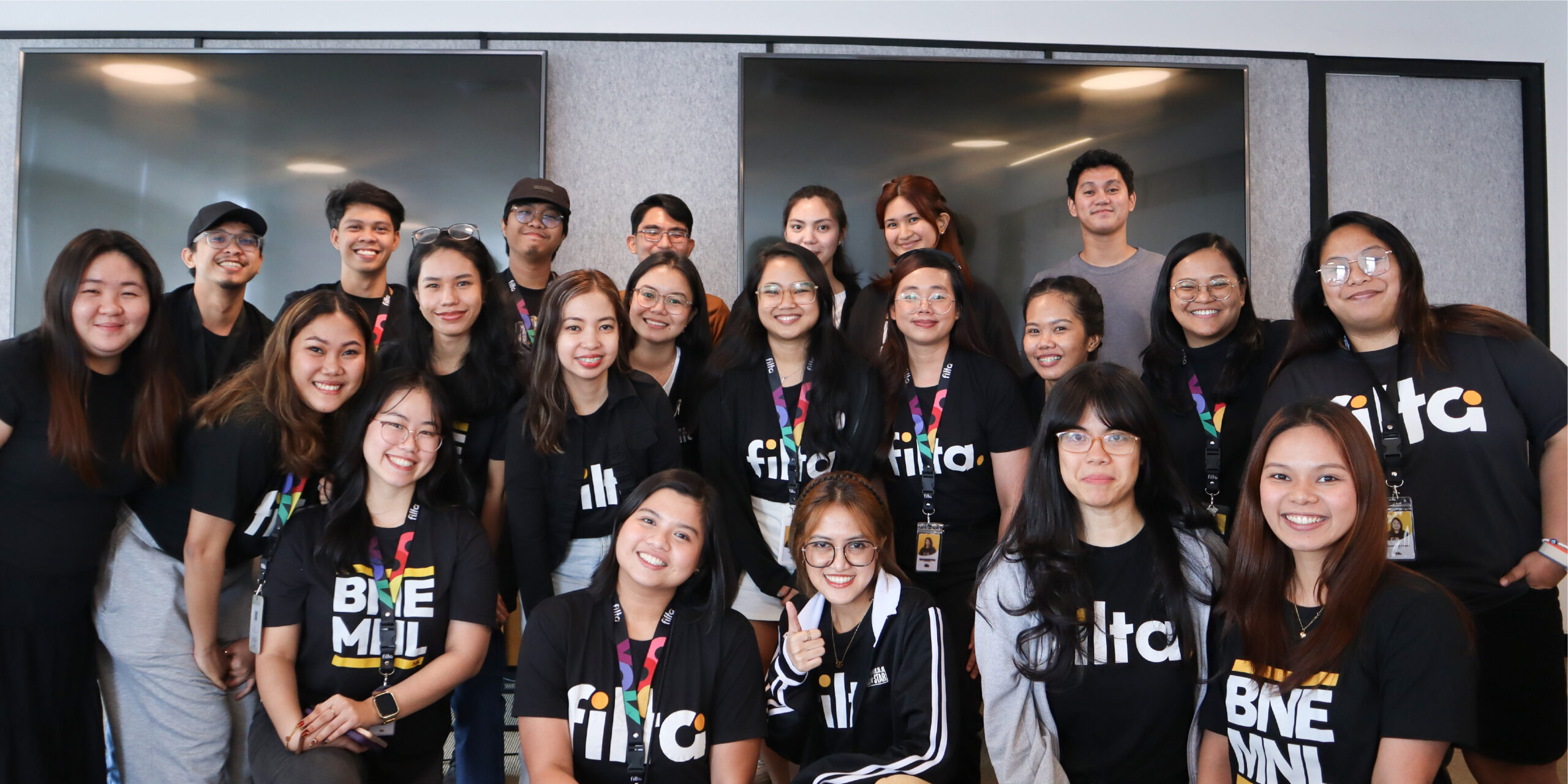
Filta’s approach to building offshore teams is built around the understanding that the hire is not the finish line. It is the beginning. From the moment someone joins a client’s team through Filta, they are set up with proper onboarding, HR support, payroll handled compliantly through an Employer of Record structure, and regular check-ins that keep both the client and the team member aligned.
That ongoing support structure is what separates an offshore team member who feels like a genuine part of your business from one who feels like a contractor you happen to pay in another currency. And for agencies whose work depends on people who care about the outcome, that distinction is everything.
Proof That Putting People First Works
This approach isn’t just a feel-good philosophy; it is a measurable standard of success within the industry. When independent bodies like Outsource Accelerator evaluate firms for the prestigious OA500 index, employee sentiment is a core metric that feeds into their quality dimension. It reflects a recognition that the firms doing offshore hiring well are the ones taking care of the people they place, not just delivering a headcount to a client.
Filta has been named part of the OA500 for three consecutive years. What that actually reflects is a consistent track record of building teams where people stay, grow, and contribute. That is the goal. Not just filling a role, but building something that lasts.
Ready to build your team?
If you are thinking about how to build an offshore team that genuinely becomes part of your business, we would love to talk through what that looks like for your specific situation. Visit filtaglobal.com to get in touch.
Filta is a globally recognized outsourcing partner, established in 2016 and headquartered in Australia, helping businesses across the US, UK, Canada, New Zealand, and Australia build dedicated offshore teams in the Philippines and Colombia.







 +61 (07) 45180033


