
 Let's Talk





Key takeaways:
- Quiet cracking is an early stage of disengagement where employees feel stuck, disconnected, and unhappy, even if performance hasn’t dropped yet.
- Over half of employees (59%) report experiencing it, making it more common (and dangerous) than most leaders realize.
- The top 5 warning signs include: pulling back from the team, avoiding new challenges, losing initiative, increased absences, and skipping growth opportunities.
- Employers can prevent escalation by offering role-specific training, clarifying evolving job expectations, managing workloads proactively, prioritizing real connection, and mapping clear career paths.
- Addressing quiet cracking early saves productivity, strengthens culture, and reduces costly turnover.
Bottom line:
Quiet cracking is the silent warning signal leaders must catch early. With proactive leadership and the right support systems, you can turn disengagement into renewed commitment and resilience.
When “quiet quitting” made headlines, it sparked global conversations about disengaged employees doing the bare minimum. But there’s a quieter, earlier stage of disengagement that’s just as dangerous, and it’s happening in more than half of workplaces today. It’s called quiet cracking.
According to research by TalentLMS, 59% of employees report experiencing quiet cracking, a persistent feeling of unhappiness and detachment at work that doesn’t immediately show up in performance but slowly erodes morale, productivity, and retention. Left unchecked, quiet cracking often becomes quiet quitting, or full-on resignation.
So, what exactly does quiet cracking look like, and how can employers spot it early?
What Is Quiet Cracking?
Quiet cracking is the stage before employees disengage entirely. Unlike burnout, which often looks like exhaustion, or quiet quitting, which is visible in reduced effort, quiet cracking is subtler.
It’s when employees feel disconnected, stuck, and unsupported, even if they’re still showing up and hitting deadlines. They might not voice frustrations directly, but the cracks are forming under the surface.
Jim Harter, a workplace expert at Gallup, explains that employees often feel both detached and stuck – a combination that isn’t good for employers.
The cost of disengagement? Gallup estimates it’s worth $2 trillion in lost productivity in the U.S. alone.
The Top 5 Signs of Quiet Cracking
Here’s what employers should watch for:
1. Pulling Back from the Team
An engaged employee suddenly goes quiet – camera off in meetings, short answers, and no more brainstorming. They’re not being difficult; they’re just checking out.
→ Example:
A Filipino developer who once shared fresh sprint ideas now gives one-word updates and skips team huddles.
2. Avoiding New Challenges
Instead of stepping up, employees stick to what they know. It’s not laziness, it’s often a lack of confidence or support.
→ Example:
A Colombian marketer says they’re “too busy” to learn a new analytics tool, but really, they’re worried about failing without proper training.
3. Losing Initiative
The drive to problem-solve or improve processes disappears. Employees stop suggesting ideas and just follow instructions.
→ Example:
A customer service lead who once streamlined workflows now just sticks to the script, even when it’s slowing the team down.
4. More Absences and “Silent Sick Days”
Frequent vague absences, late logins, or low energy during the day can signal disengagement, not just illness.
→ Example:
A remote team member with a strong attendance record now often cites “personal matters” to skip work unexpectedly.
5. Skipping Growth Opportunities
When employees stop investing in their own development, it’s a sign they don’t see a future with the company.
→ Example:
A high-potential team lead turns down a leadership program, saying “not the right time,” even though it’s a big career opportunity.
What Employers Can Do About Quiet Cracking
The good news? Quiet cracking isn’t permanent. With the right interventions, leaders can catch it early and re-engage employees before it turns into quiet quitting or full-blown attrition. Here’s how:
1. Build Learning That Fits Their Reality
Generic training doesn’t cut it, especially for global teams with packed schedules.
- Offer bite-sized, role-specific learning (15–20 min modules on the exact tools your team uses daily).
- Link learning directly to promotions or pay increases so employees see the career payoff, not just another “optional training.”
→ Example:
Instead of sending everyone to a 3-hour “AI in business” webinar, give your marketing team a short tutorial on AI copy tools they can use tomorrow.
2. Clear Up Roles Before Confusion Spreads
Role ambiguity is one of the fastest ways quiet cracking sneaks in.
- Update job descriptions every 6–12 months when tools, workflows, or responsibilities evolve.
- Hold role-clarity check-ins, not just performance reviews, to confirm mutual understanding of expectations.
→ Example:
If your sales coordinator suddenly spends 40% of their time on CRM cleanup, acknowledge and redefine the role formally, rather than letting them feel “off-track.”
3. Protect Your Team From Workload Pile-Ups
Overloaded employees disengage fast. Leaders need to manage capacity, not just deadlines.
- Run quarterly “task audits”: cut, automate, or delegate work that doesn’t move key metrics.
- Experiment with no-meeting blocks (e.g., “Deep Work Wednesdays”) so teams can focus without interruption.
→ Example:
After a task audit, one company realized its dev team was spending 6 hours a week on status updates, so they moved to async updates, freeing up nearly a full workday per month.
4. Make Connection Non-Negotiable
Detachment starts when employees feel invisible. Build connection into your processes.
- Use one-on-ones for people, not just projects. Begin by asking: “What’s been the biggest challenge for you this week?”
- Set up cross-cultural buddy systems (e.g., pair a Colombian designer with a Filipino developer for informal check-ins).
- Celebrate micro-wins publicly in team channels to keep morale visible.
→ Example:
Create a #shoutouts Slack channel where peers highlight small wins,like someone fixing a client bug in record time.
5. Make Growth Paths Crystal Clear
If employees can’t see a future with you, they’ll quietly disengage.
- Separate performance reviews from growth talks so career conversations don’t get lost in KPIs.
- Map out 2–3 potential paths per role (e.g., an account manager can grow into client strategy, operations, or people management).
- Assign mentors across functions so employees see opportunities beyond their immediate team.
→ Example:
A junior recruiter sees three options: specialize in sourcing, grow into client management, or pivot into HR strategy. That clarity turns vague hopes into tangible goals.
Extra Support to Help Employers Address Quiet Cracking
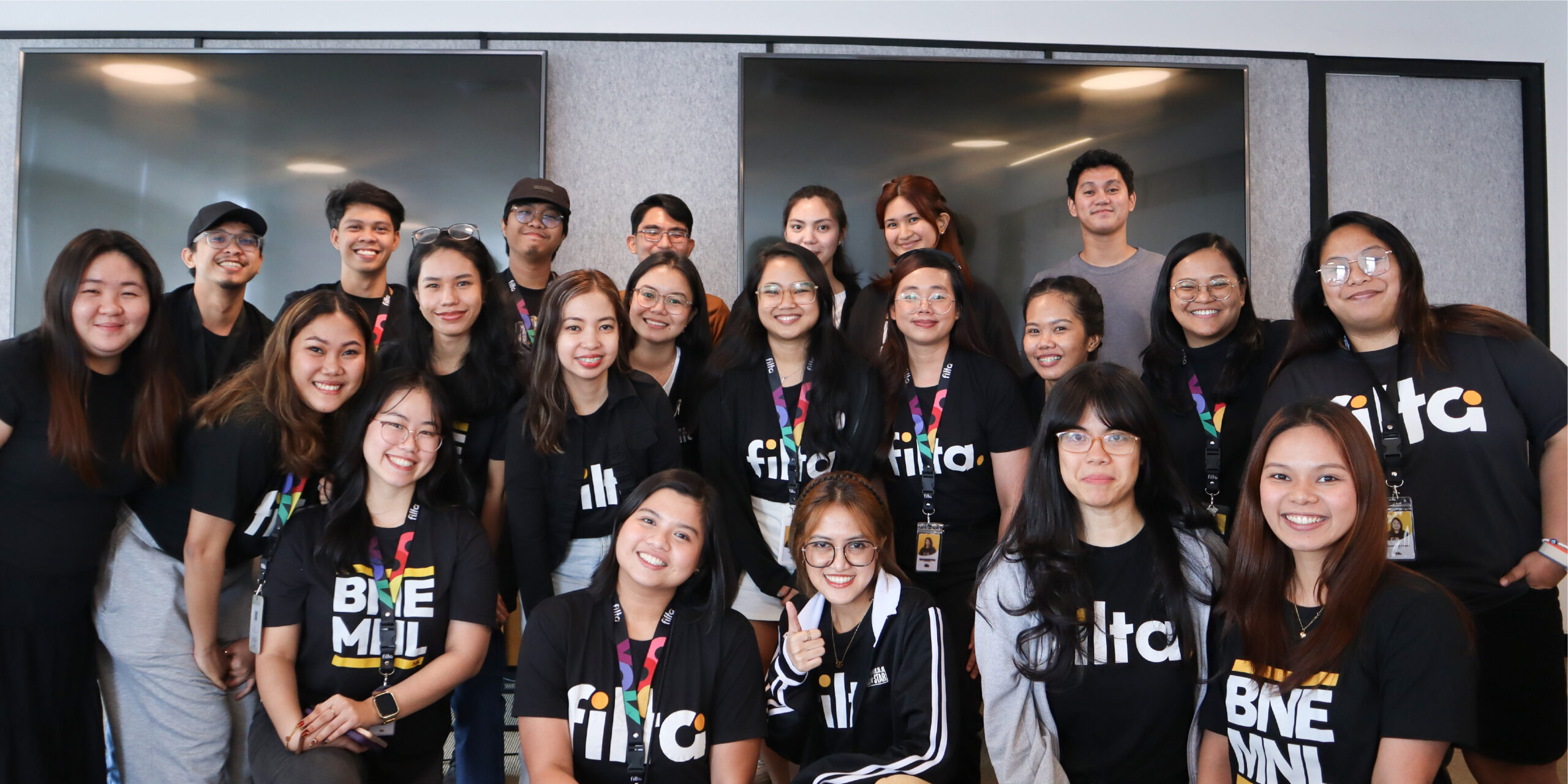
At Filta, we know that disengagement doesn’t just hurt productivity, it hurts culture. Our global workforce solutions help companies:
- Hire the right talent from places like the Philippines and Colombia, people who bring initiative, adaptability, and creativity.
- Retain talent long-term by ensuring compliance, offering fair compensation, and building career growth pathways.
- Support leaders with cultural intelligence training so they can spot and address quiet cracking before it turns into quiet quitting.
Quiet cracking is the silent signal leaders can’t afford to ignore. By the time it shows up in performance, it’s often too late. But with proactive leadership, transparent communication, and the right support systems, you can stop disengagement in its tracks and build a stronger, more resilient workforce.
Don’t let quiet cracking become quiet quitting. Book a call with Filta today to learn how we can help you build engaged, high-performing global teams.filtaglobal.com







 +61 (07) 45180033


