

 Let's Talk







At some point in almost every offshore hiring conversation, the same wall appears.
You have found the right person, the role is clear, the budget works, and everyone is ready to move. And then someone asks: how do we actually employ them?
That question, which sounds administrative, is actually where a lot of offshore hiring arrangements either get properly set up or quietly fall apart. The answer for a growing number of businesses, particularly media agencies and professional services firms hiring across borders for the first time, is an Employer of Record arrangement. Here is what that means and why it matters.
What an Employer of Record (EOR) Actually Does
When you hire someone in another country, someone has to be their legal employer in that country. That means handling local contracts, payroll, tax obligations, government-mandated benefits, and compliance with local labor law. If you do not have a registered legal entity in that country, which most businesses hiring offshore do not, you cannot do that yourself.
An Employer of Record, or EOR, steps in as the legal employer on your behalf. They employ your team member compliantly under local law, handle all the payroll and HR obligations, and you direct the work. The person functions as part of your team in every practical sense. The EOR handles everything that makes that legally sound in their home country.
- In the Philippines, that means navigating one of Asia’s most established outsourcing markets, with a well-developed employment system and a workforce deeply experienced in working with Western businesses.
- In Colombia, it means operating under a formal employment system with government-mandated benefits including health coverage, pension, and leave entitlements, within a time zone that aligns directly with the US Eastern Standard Time, making day-to-day collaboration genuinely seamless.
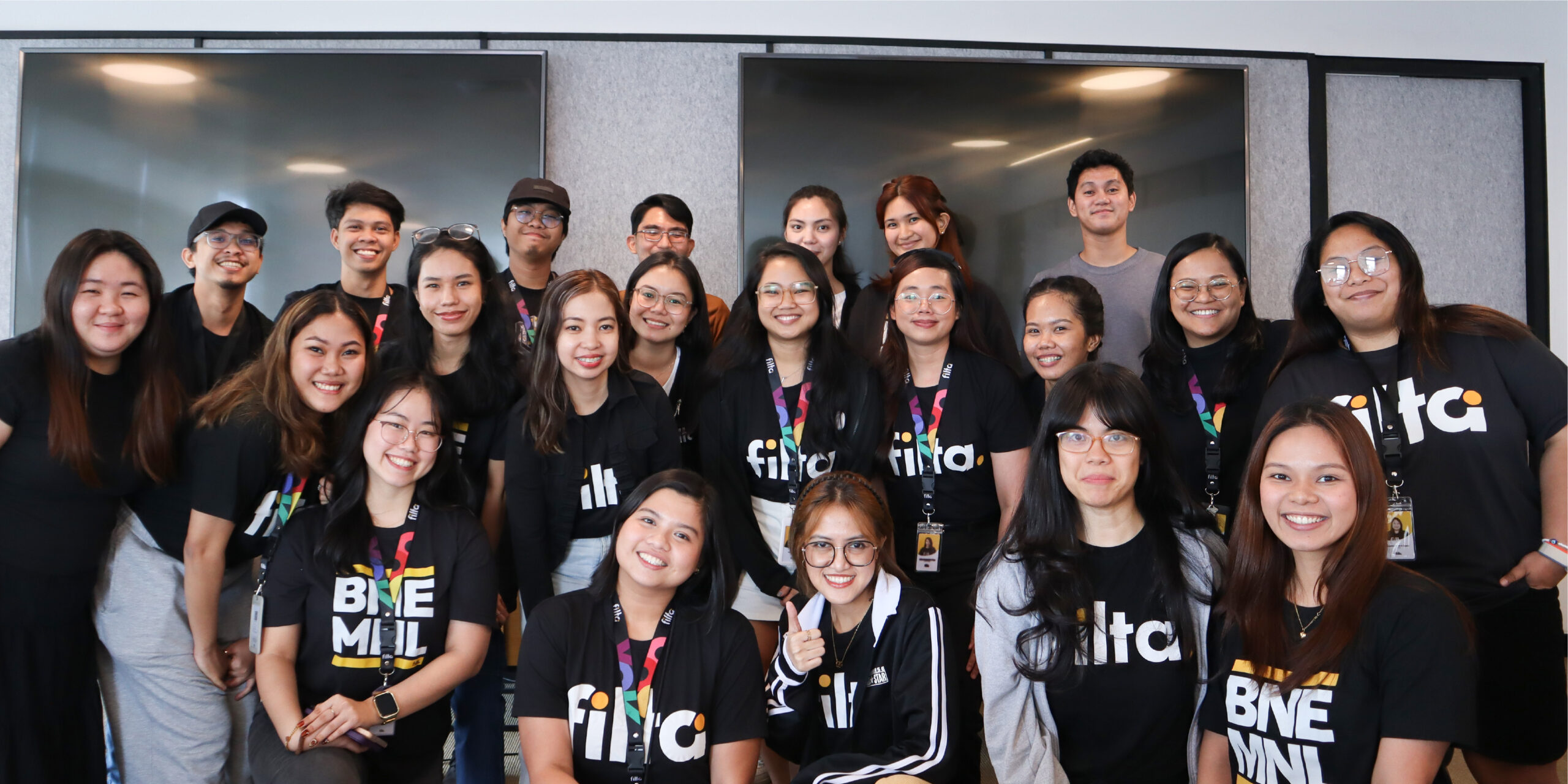
Getting this right requires a provider who is fully incorporated in those markets, not just connected to them. Filta operates as a fully incorporated EOR in both the Philippines and Colombia, which means the compliance, the payroll, and the HR support are handled by people who know the local landscape, not outsourced again to someone who does not.
Why Is EOR Gaining Traction, Especially Right Now
A few years ago, EOR was a term most business owners outside the HR world had never heard. That has changed considerably. More businesses are hiring across borders, more of them have tried to manage compliance themselves and found it harder than expected, and the consequences of getting employment wrong, from tax exposure to contract disputes to regulatory risk, have become more visible.
For media, marketing, and advertising agencies in particular, the appeal is straightforward.
You are not in the business of becoming an expert in Philippine labor law or Colombian payroll compliance. You are in the business of delivering campaigns, building client relationships, and growing your team’s output. A well-structured EOR arrangement means you get the offshore talent you need without acquiring the administrative burden that would otherwise come with it.
As Filta describes its own approach to EOR: no red tape, no stress, just seamless hiring backed by experts who guide you every step of the way. That is the version of offshore hiring that actually scales.
What to Look For in an EOR Provider
Not all EOR providers are the same, and this is a decision worth scrutinizing carefully. A few things worth examining before you commit.
- Genuine Local Incorporation: A provider who is actually incorporated in the Philippines and Colombia, with local legal and HR expertise on the ground, is in a fundamentally different position than one who manages things remotely or relies on third parties.
- Post-Hire Support: EOR is not just a contract and a payroll run. It is an ongoing relationship that affects your team member’s experience, stability, and connection to your business. A provider who treats people as headcount rather than humans will create churn, and churn in offshore teams is expensive and disruptive.
- Third-Party Validation: It is easy for an EOR to promise compliance and great support on their website, but how do you verify that? Look for independent accountability. Industry benchmarks like the OA500 evaluate firms across strict quality, employee sentiment, and operational metrics. This kind of independent recognition ensures a provider’s track record holds up under scrutiny, rather than just relying on a polished pitch.
Filta has been named part of the OA500 for three consecutive years. That consistency reflects the way we approach EOR, not as an administrative service but as a responsibility to both the client and the person being employed.
The Question Worth Asking Yourself
If you are considering building an offshore team in the Philippines or Colombia, or if you have people already working with you in those markets and you are not entirely sure the employment arrangement is structured correctly, an EOR conversation is worth having sooner rather than later.
It is not a complicated process when you have the right partner. It is, however, an important one.
Visit filtaglobal.com to learn more about how Filta handles EOR in the Philippines and Colombia, or get in touch with the team directly.
Filta is a globally recognized outsourcing & EOR partner, established in 2016 and headquartered in Australia, helping businesses across the US, UK, Canada, New Zealand, and Australia build dedicated offshore teams in the Philippines and Colombia.







 +61 (07) 2146 2211
