

 Let's Talk






Key takeaways:
- The label “offshore talent” ignores massive regional differences. Treating teams in Manila and Bogotá the same way leads to operational friction.
- Both locations are high-context cultures, but they execute work very differently.
- The Philippines relies on indirect communication and a deep respect for hierarchy.
- Colombia thrives on direct feedback, comfort with ambiguity, and proactive problem-solving.
- Cultural intelligence is a two-way street. The best US employers adapt their management style to their team members to ensure long-term retention.
- High cultural alignment doubles training efficiency and boosts first-year retention to 94%.
Bottom line:
If you manage a senior analyst in Bogotá the exact same way you manage an executive assistant in Manila, you risk losing your best talent. Cultural intelligence is a competitive advantage. Leaders who tailor their style to the specific regional nuances of their team members keep their talent longer and see faster productivity.
It is easy to group global talent into one massive bucket called “offshore.” This is a mistake.
While both the Philippines and Colombia offer exceptional professionals, the daily rhythm of how work gets done is completely different. If you hire in both regions but apply the exact same US-centric management style, you will run into a cultural blind spot.
High-performing global professionals do not just fail because of a lack of skill. They fail when their management style clashes with their local norms. According to the 2026 Filta Outsourcing Trend Report, 76% of companies now explicitly request cultural intelligence as a top capability when hiring.
Both the Philippines and Colombia are generally considered high-context cultures. This means communication relies heavily on non-verbal cues, relationships, and the setting in which the message is delivered. But the similarities stop there. Here is how you actually need to manage them.
Manila: Navigating the Hierarchy of Respect
The Philippines is world-renowned for its English fluency, deep emotional intelligence, and Western business familiarity. However, the cultural communication style is fundamentally relationship-focused.
Filipino professionals use indirect communication to preserve harmony. They have a high respect for hierarchy and are often conflict-avoidant. If a Filipino team member disagrees with a project timeline, they will rarely tell you directly. Instead, they might signal their concern subtly or wait for you to ask the right question.
→ Actionable advice: To manage effectively in Manila, you must use an “explanation-first” feedback loop. Blunt, cut-to-the-chase feedback is often interpreted as a personal attack or a signal that they are failing. Frame your feedback as a dialogue by explaining your intent first. Build regular check-ins that focus on connection, not just task updates.
Bogotá: Tapping into Proactive Problem-Solving
Colombia offers cultural proximity to the Americas and a real-time collaborative working environment. Their working style is distinct from Southeast Asia.
Colombian professionals are direct. They are comfortable with ambiguity and prefer proactive feedback. If an ad operations specialist in Bogotá sees an error in your system, they are likely to flag it immediately and present a workaround. They thrive when given ownership and room to move.
→ Actionable advice: To manage effectively in Bogotá, you need to clearly define decision-making boundaries from day one. Micromanagement signals a lack of trust and will kill their engagement. Give them the framework of the goal and allow them to execute independently.
Cultural Intelligence is a Two-Way Street
Western employers often expect offshore employees to fully adapt to Western business norms. That is valid, yes – but that expectation can be a reason why turnover happens.
If you want your offshore team to stick around for years, you also have to put extra care into understanding their culture. You must tailor your management style to them, just as they are tailoring their output to you.
Research from Hofstede Insights on organizational culture shows that when employees feel culturally aligned with their leadership, their job embeddedness increases. The data backs this up. In our 2026 report, teams with high cultural alignment saw a 94% first-year retention rate. Teams with low alignment sat at 71% and generated six times as many management escalations.
How Filta Bridges the Gap
At Filta, we place immense importance on cultural intelligence. We know that placing a great person into a mismatched management system guarantees friction.
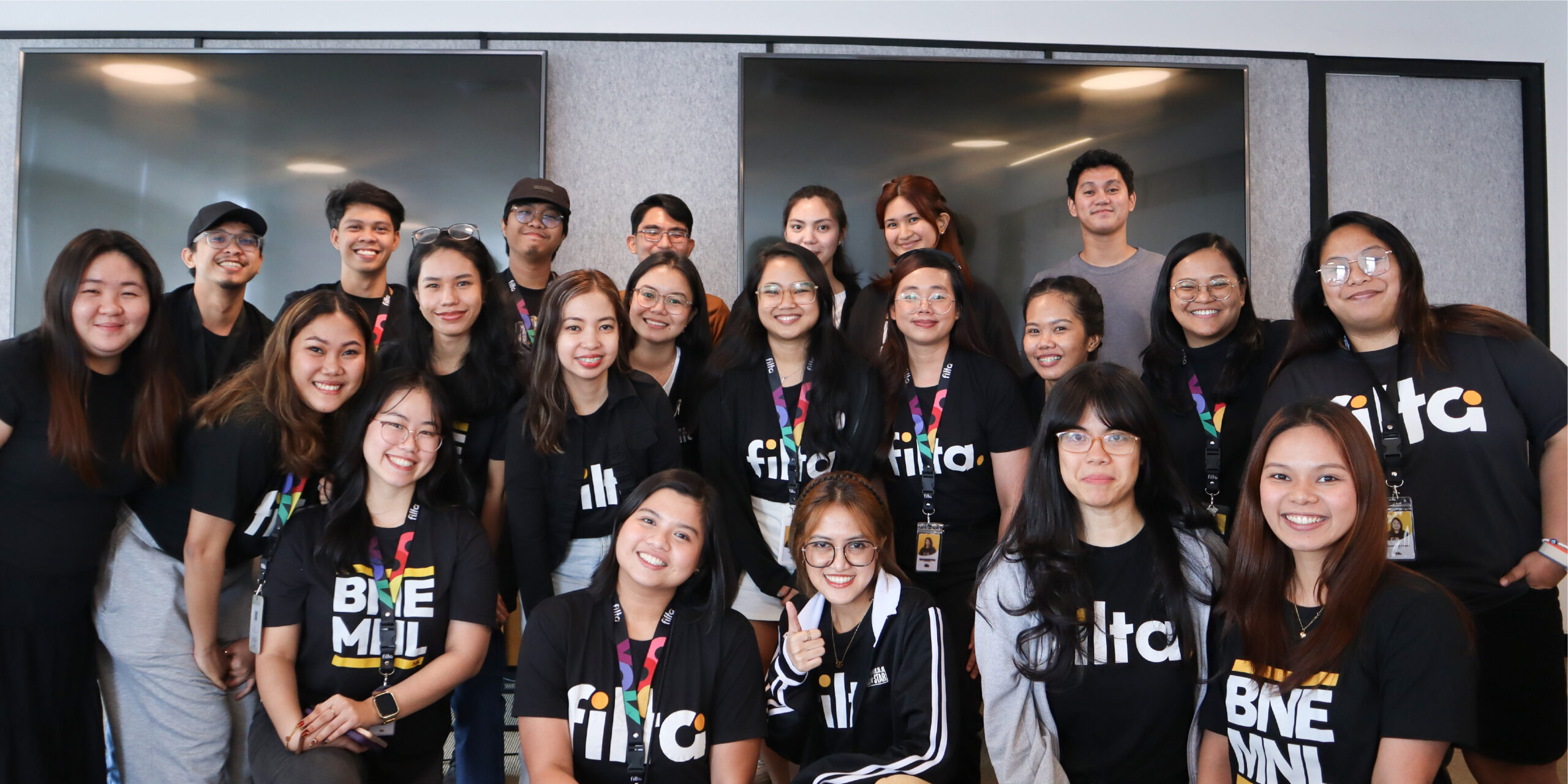
We gather information directly from the ground from real Filipinos and Colombians. We use this insight to support the companies that hire with us. Our 4-Week Cultural Integration System does not just train the employee on the client’s tools. It trains the client and the employee on how to communicate with each other.
We map communication styles, clarify decision authority boundaries, and set the cultural context for feedback. This ensures that the connection you build with your global team is harmonious and built to last.
Your business needs global talent to scale, but you need cultural intelligence to keep them. Talent in the Philippines and Colombia provides the skill; Filta provides the framework to ensure they stay for the long run.
Uncover the data and shifting regional trends in our 2026 Filta Outsourcing Trend Report. Then, visit filtaglobal.com to build a high-performing global team that is resilient, culturally aligned, and built to last.






 +61 (07) 2146 2211